Blog post: Online security
Hello and welcome to Scam Or Reliable!

Blog post: Online security
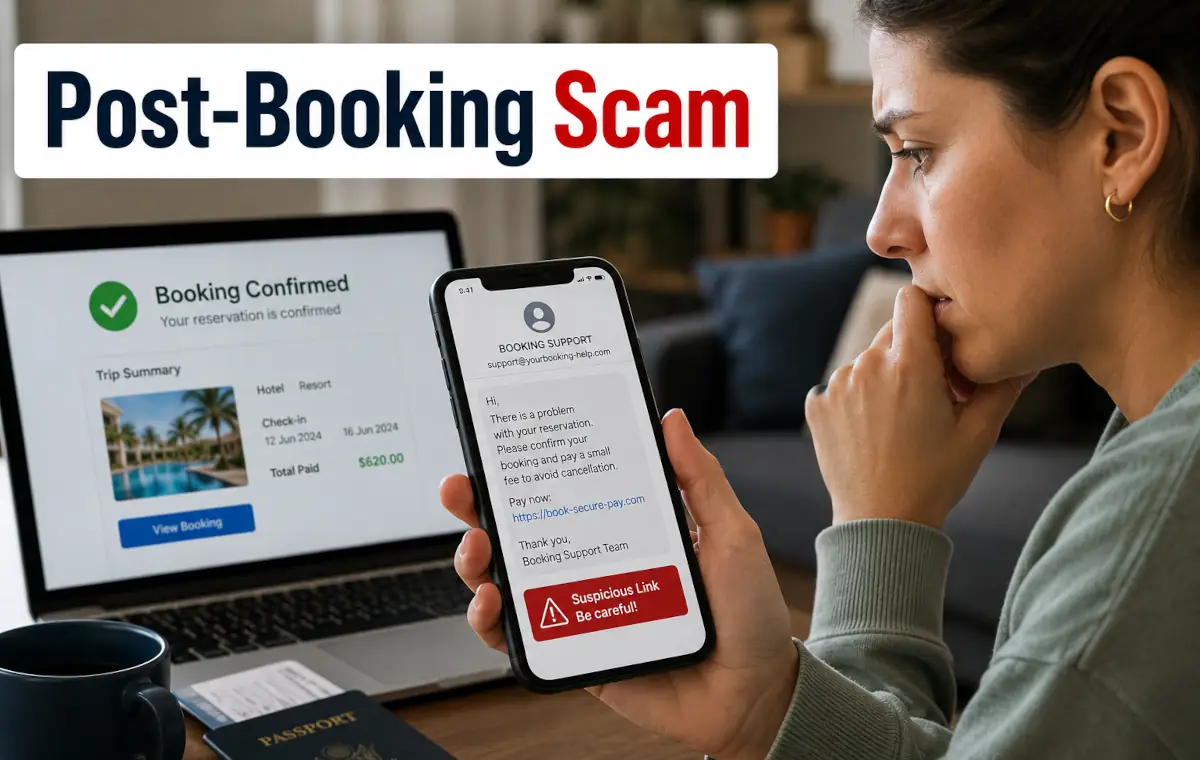
A new scam targets travellers after an online booking. The real context makes the message credible, which is why it is important to verify before clicking or replying.
Learn more...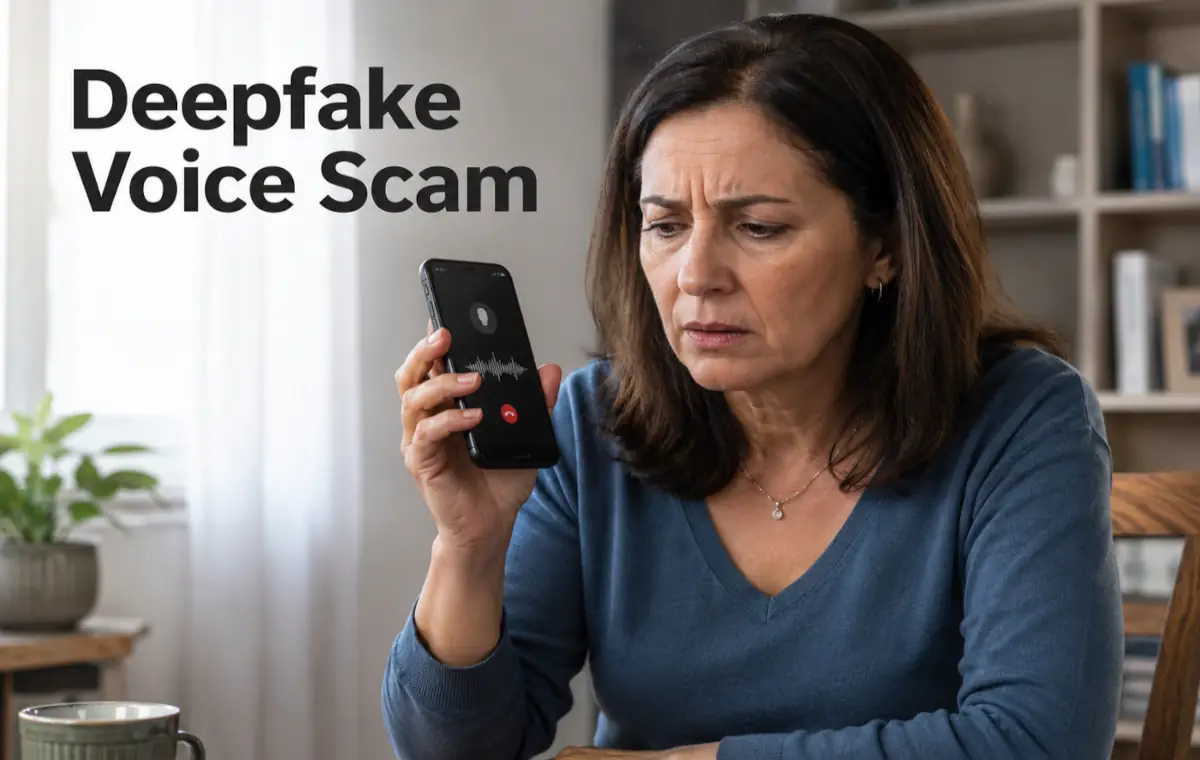
Cloned voice, panicked call, fake loved one in danger: learn to recognise a voice deepfake scam and verify before sending money.
Learn more...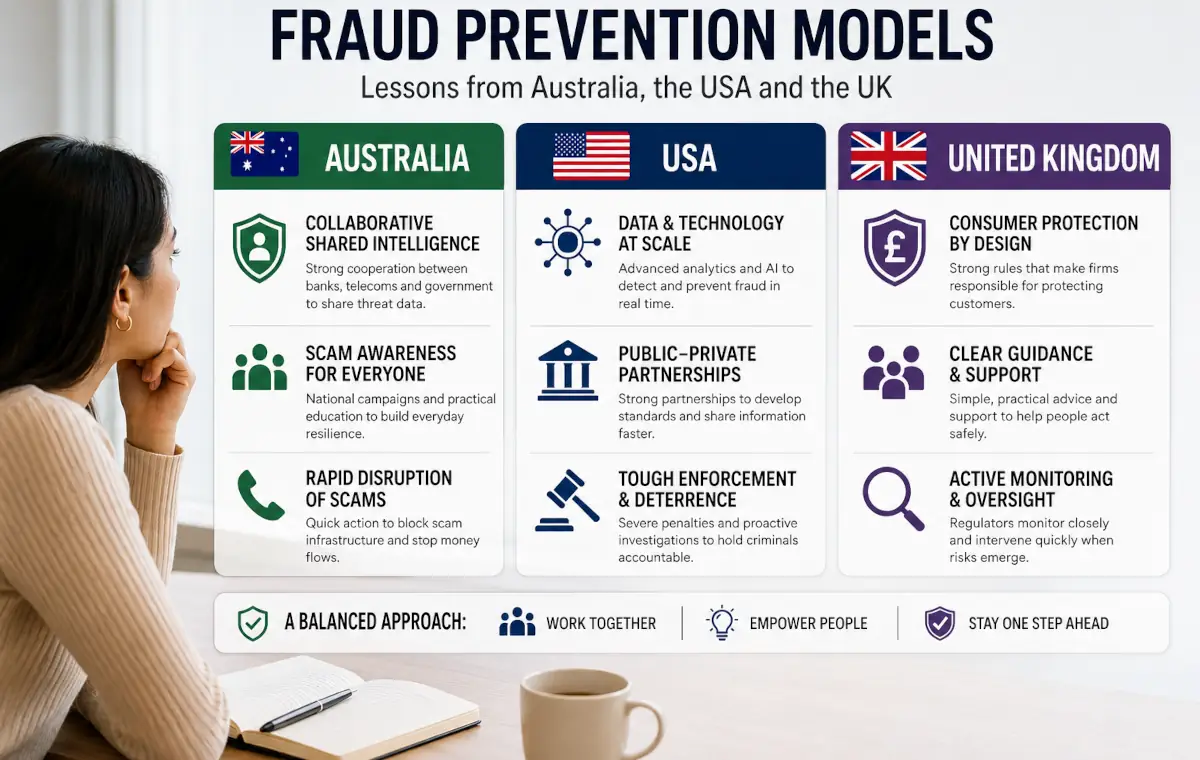
Australia, United States, United Kingdom: three complementary approaches to better prevent fraud, detect weak signals, secure payments and help victims react quickly.
Learn more...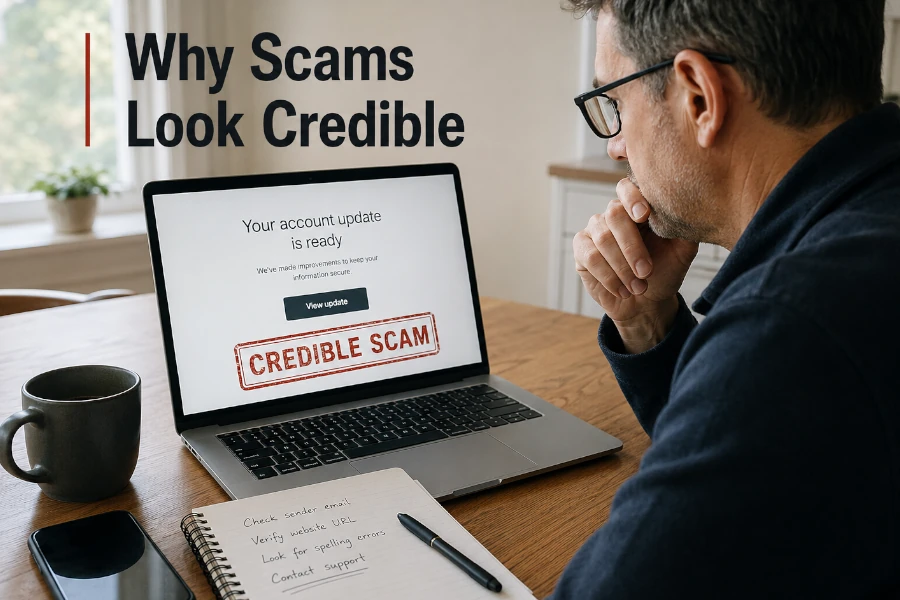
Understand why a scam can seem credible despite its lies: familiar codes, urgency, real data, plausible context and fake trust signals.
Learn more...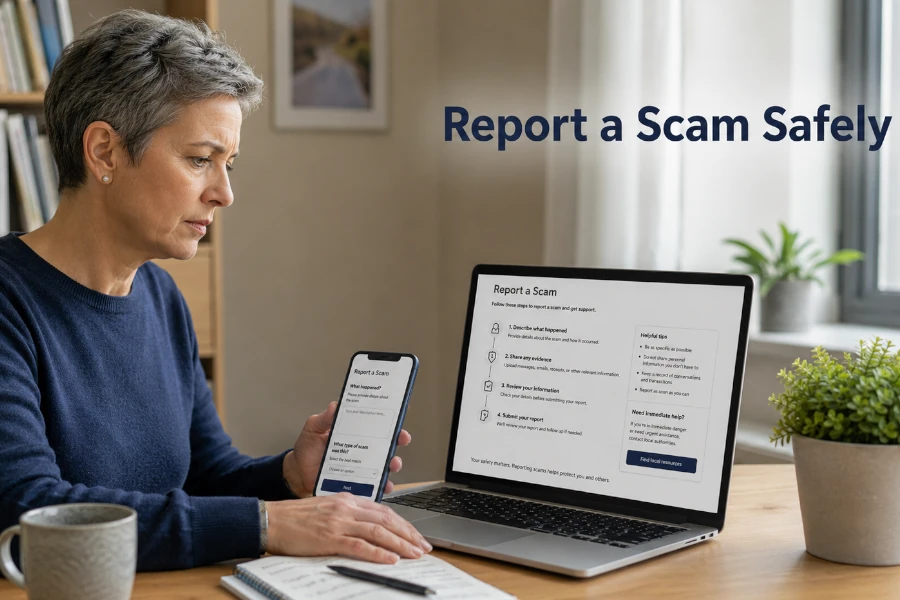
Learn how to report fraud without falling for a fake support service: verify official channels, avoid refund promises and protect your data.
Learn more...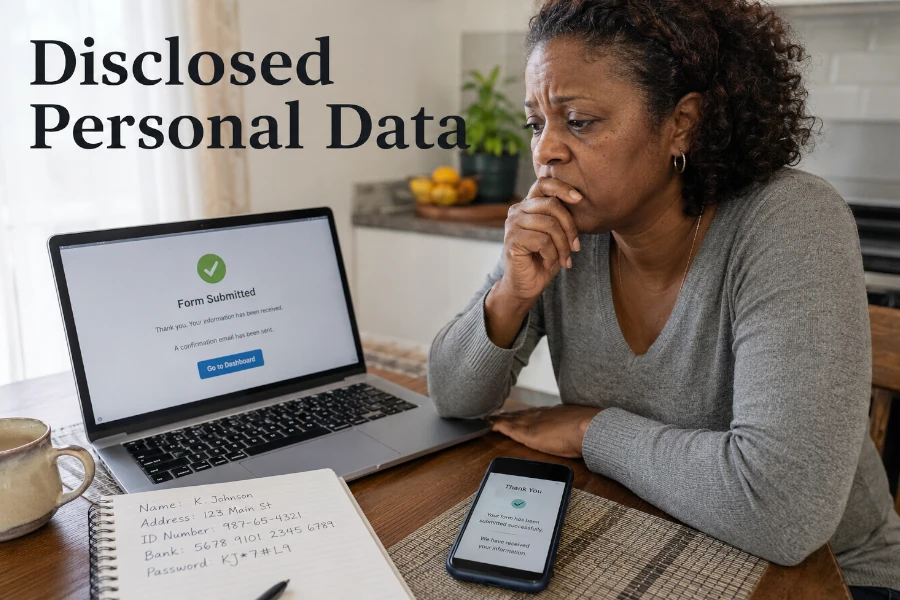
Personal data shared with a fake website or adviser: discover the mistakes to avoid in order to limit identity theft, hacking, bank fraud and targeted follow-ups.
Learn more...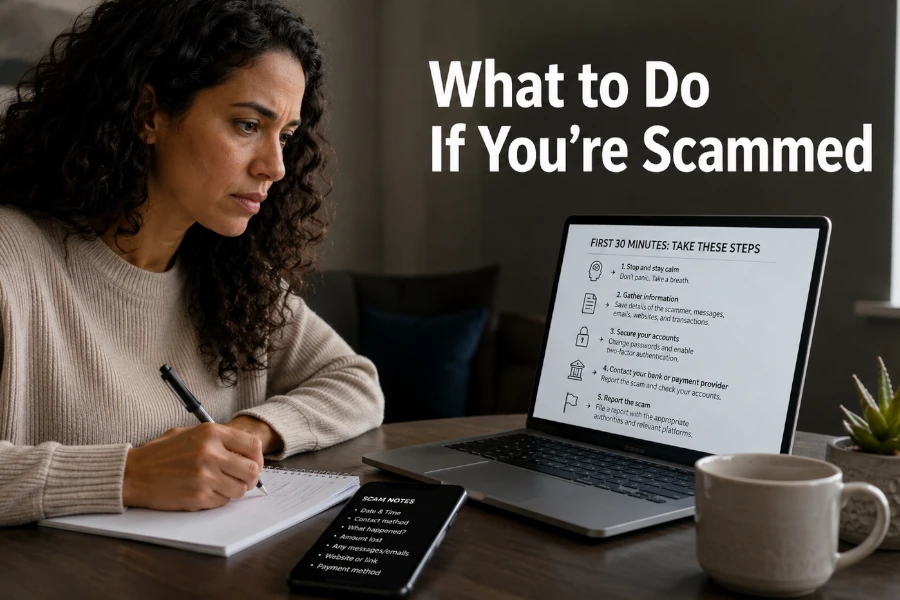
Victim of a scam? Discover the actions to take in the first 30 minutes to cut off contact, protect your accounts, warn the bank and keep evidence.
Learn more...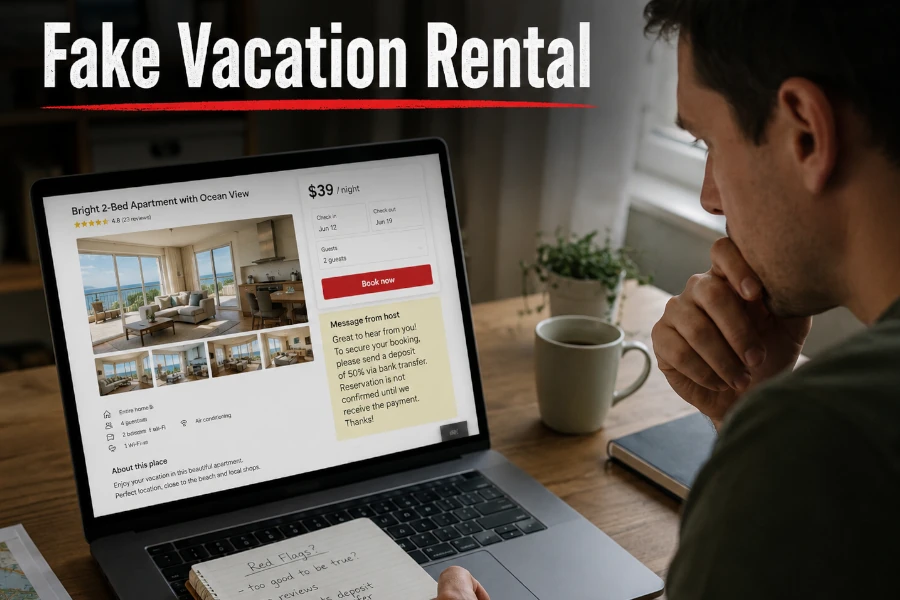
Learn how to spot a fake holiday rental before paying: copied listing, overly attractive price, urgent deposit, payment outside the platform or suspicious owner.
Learn more...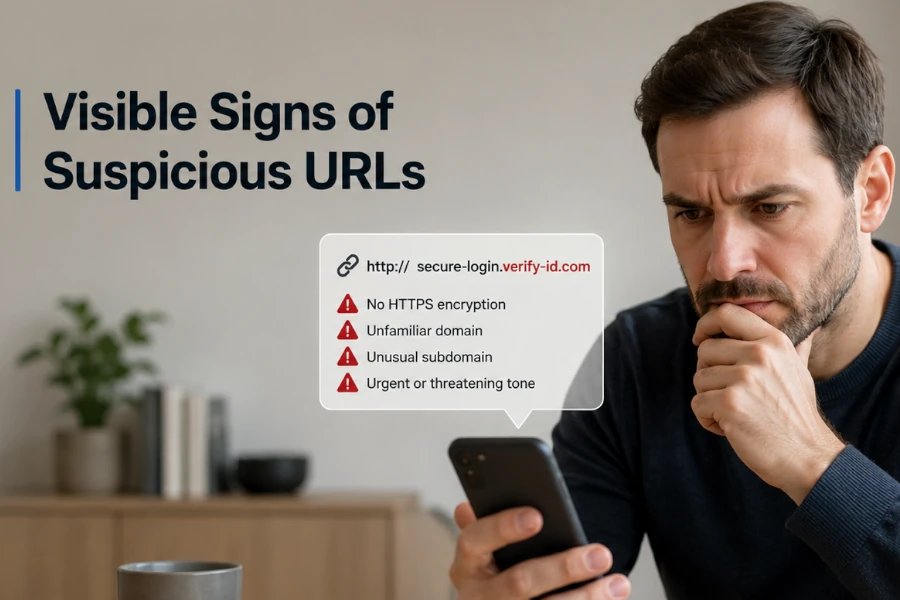
Learn how to spot visible signs of a suspicious URL before clicking: misleading domain, urgent wording, shortened link, excessive promise or request for sensitive data.
Learn more...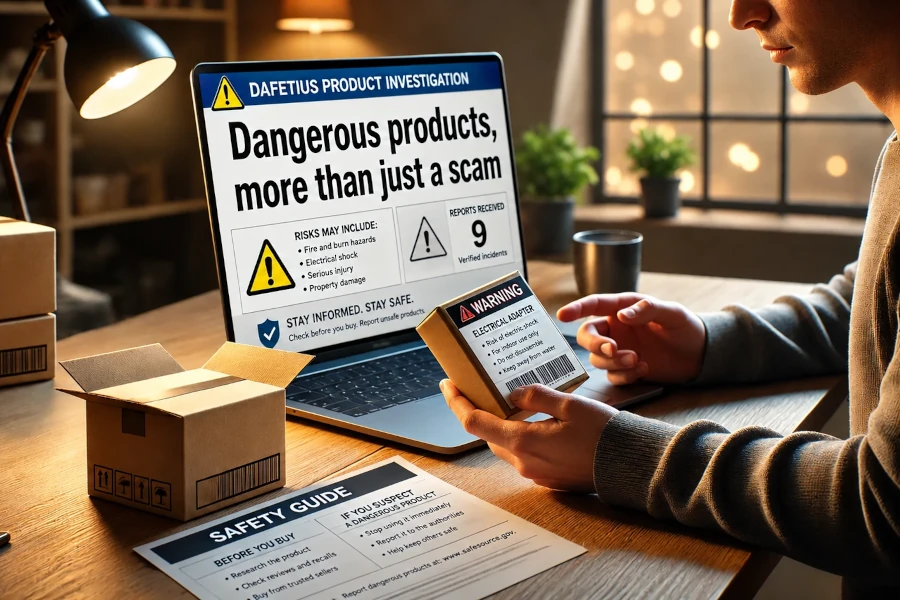
Buying on a marketplace does not only present a risk of a fake seller, a parcel never delivered or a counterfeit product. Some products can also be non-compliant, poorly labelled, poorly designed or genuinely dangerous for the user. Toys, chargers, cosmetics, electrical accessories, jewellery or children’s items can pose safety problems that are difficult to […]
Learn more...