Scam Or Reliable - All Alerts

PayPal Scams – Traps to Know Before Making a Payment
Fraudsters use the PayPal name to send fake messages, demand fees or simulate a payment. Here are the warning signs to spot and the precautions to take before any transaction.
Learn more...
Forced Approval Scam – Fraudsters Make You Authorise the Transaction for Them
Fraudsters pose as a bank or anti-fraud service to make you approve a transaction in an app. Here are the warning signs to spot and the right reflexes to adopt.
Learn more...
Fuel-Related Scams – Rising Prices Attract Fraudsters
Rising fuel prices attract fraudsters: fake aid, fuel vouchers, cut-price websites, impersonation messages or payment traps. Here is how to spot these scams and avoid losing money.
Learn more...
Identity Verification Scam – Fake Checks to Steal Your Official Documents
Scammers ask for an identity document to supposedly confirm a purchase or account. Here is how to avoid sending a raw copy and limit the risks of identity theft.
Learn more...
Fake AI Coaches – Miracle Courses on Social Media
Realistic avatars and virtual coach profiles promise easy money, improved well-being or automated business. Here are the warning signs to watch for before buying an online course.
Learn more...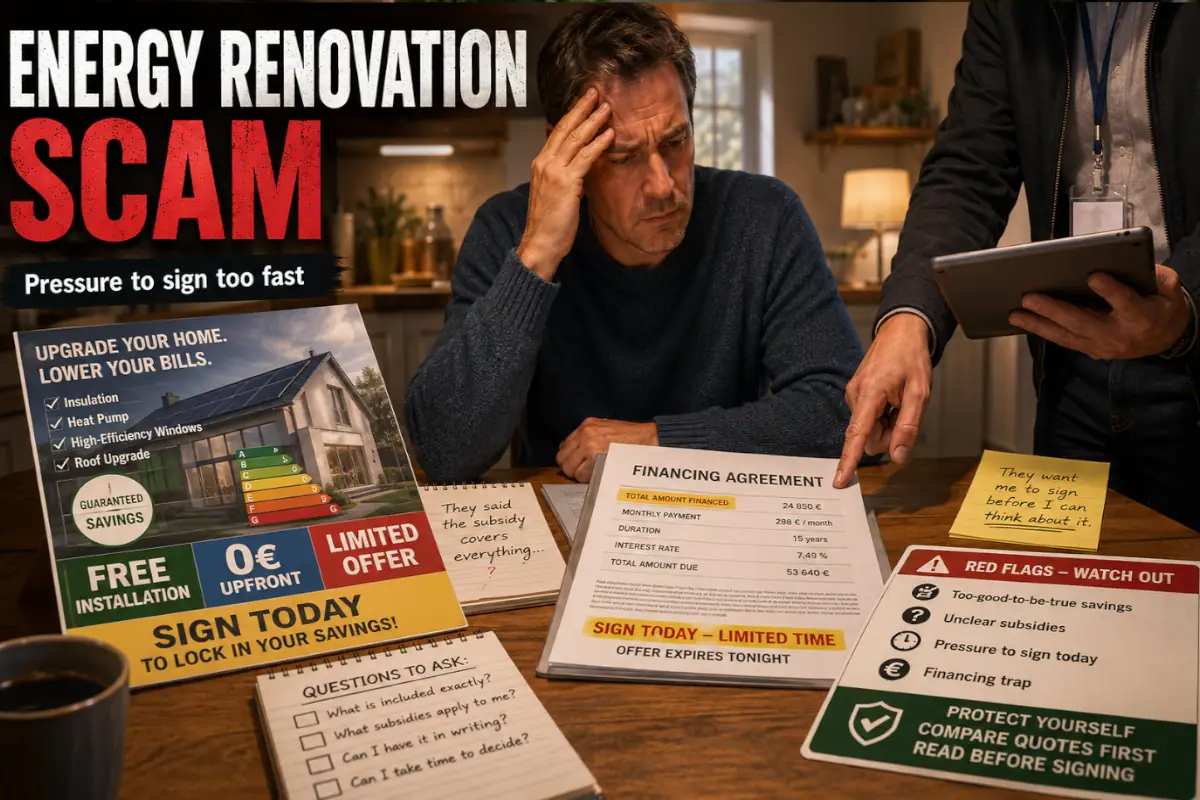
Energy renovation scams – traps targeting consumers
Scams around energy renovation are multiplying and targeting consumers. Here is how to spot suspicious signs, avoid traps and report fraud.
Learn more...
Trading Platform Scam – Fake Media, Deepfakes and Misused Celebrities
Fake press articles and deepfake videos attribute investment advice to celebrities. The goal: draw you towards a fake trading platform and push you to pay more and more money.
Learn more...
Fake Subscription Using Real Bank Details – Fake Services Like Cellcast Exploit Your Real Data
Fake subscription emails, sometimes under the name Cellcast, display real personal data to make you panic. The goal: send you to a fake cancellation page and steal your bank card.
Learn more...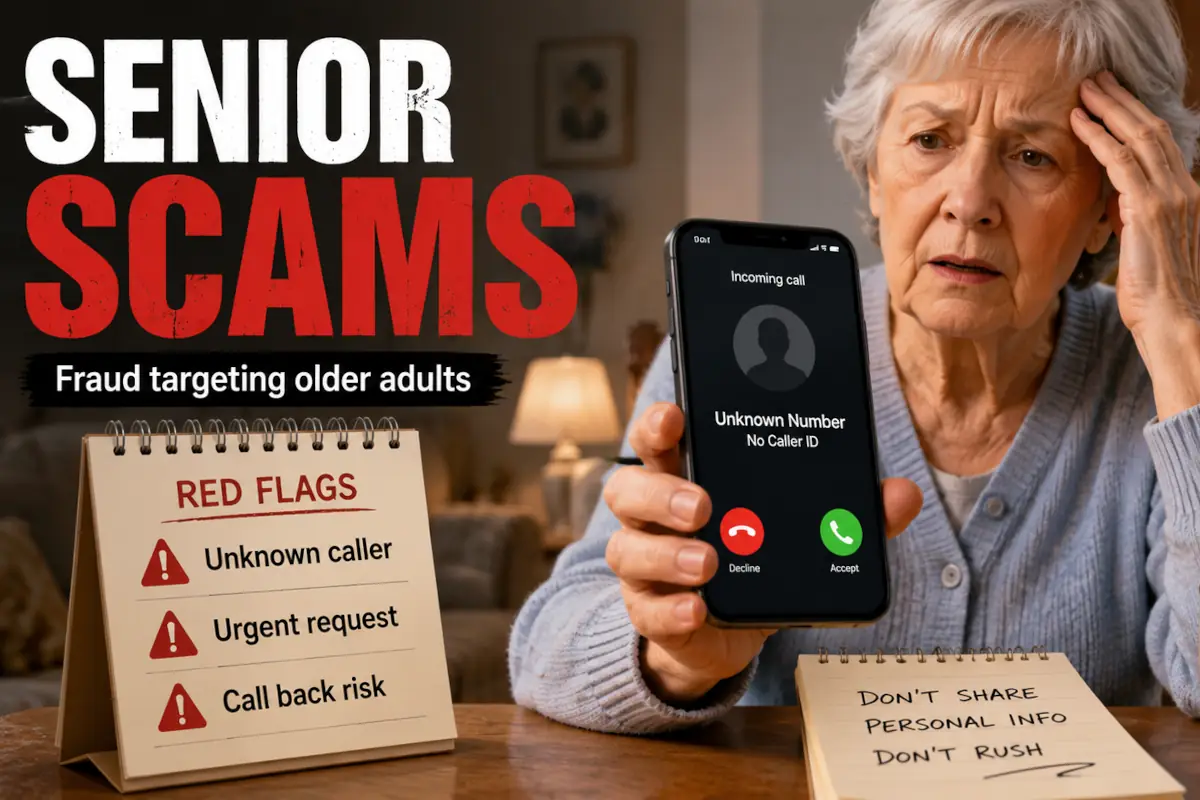
Scams Targeting Seniors – Fake Relatives, Banks and Officials Multiply the Scenarios
Seniors are targeted by calls, SMS messages and visits impersonating a loved one, a bank or an official. Discover the main warning signs and the reflexes to adopt before sharing data or paying.
Learn more...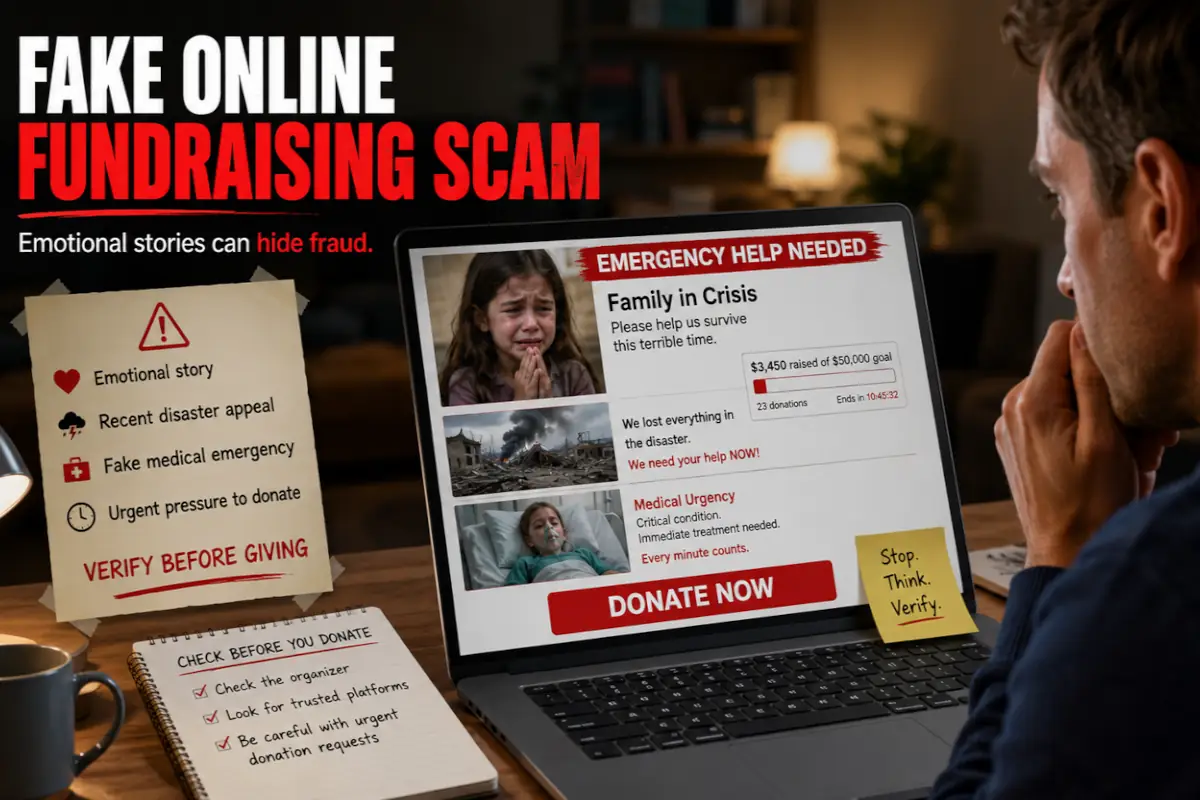
Fake online fundraising scams – fictitious collections exploit tragedies and current events
Scammers create fake online collections by impersonating victims or inventing emergencies. Learn how to check the organiser, supporting evidence and platform before donating.
Learn more...