Scam Or Reliable - All Alerts
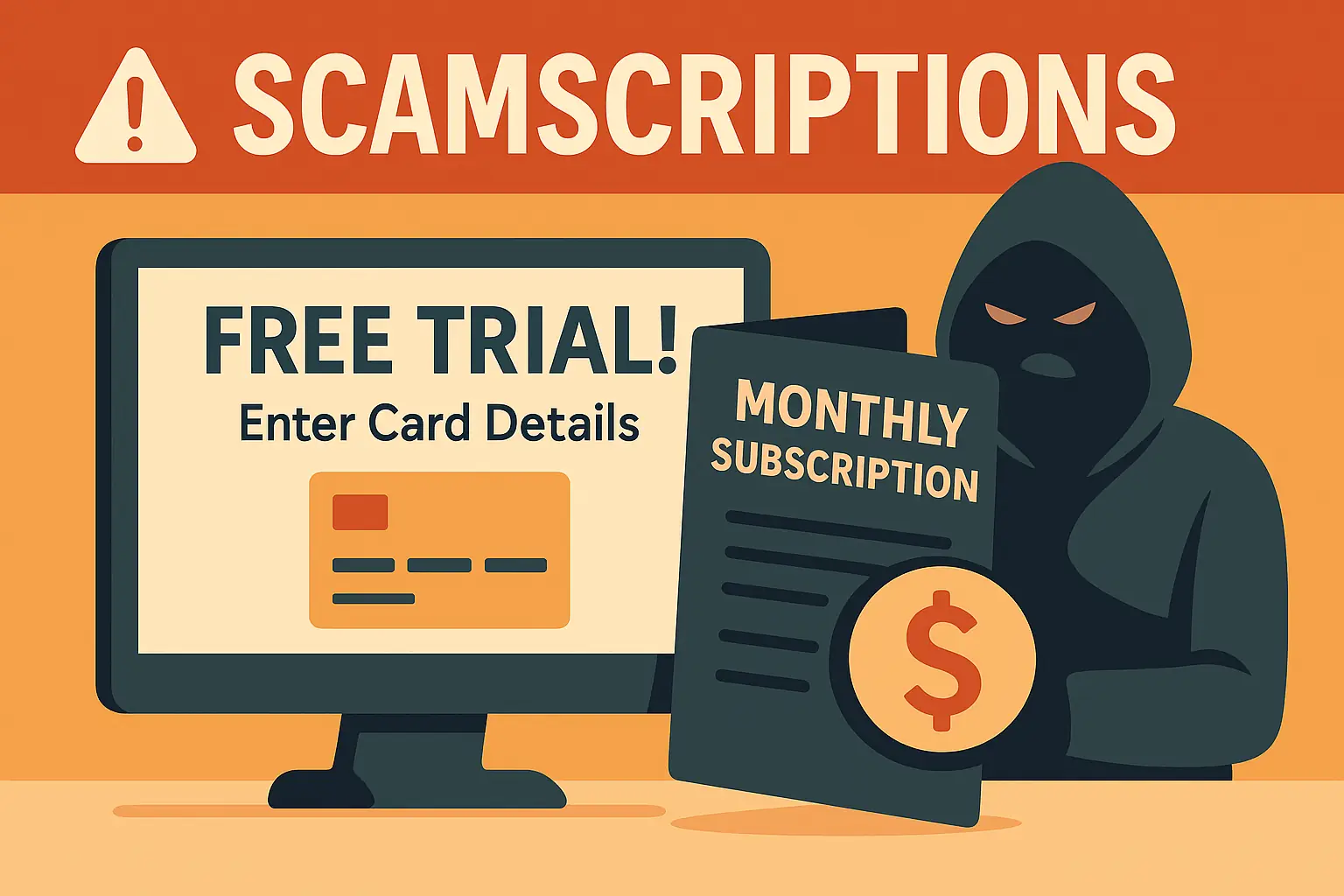
“Scamscriptions” and Hidden Subscriptions
Fake “free trial” or “special offer” deals often hide automatic renewals that drain your account each month. Learn how to recognize these scams and protect yourself from fraudulent subscriptions that appear harmless but lead to real financial loss.
Learn more...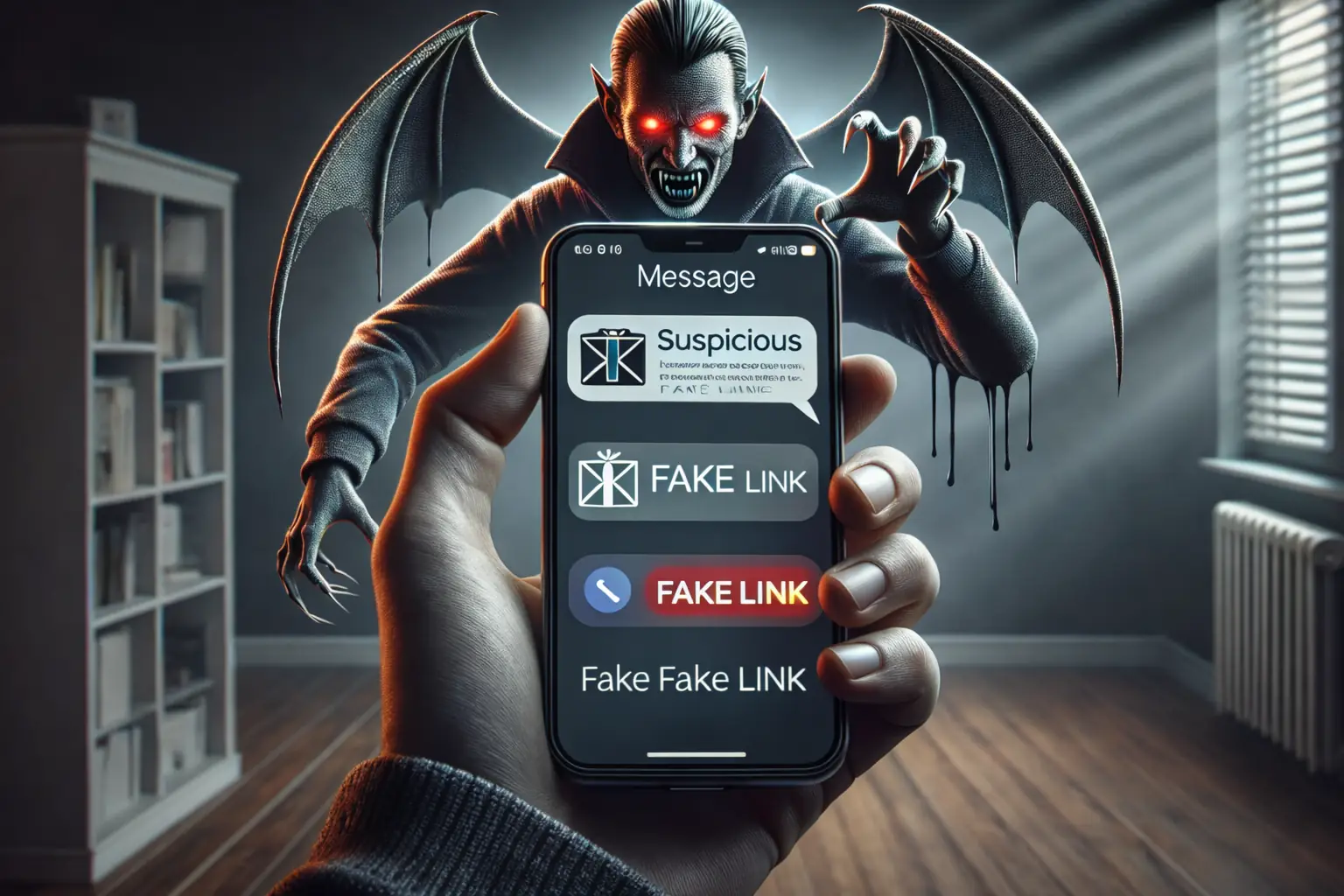
Darcula attacks: a formidable cyberattack that hijacks your iMessage and RCS messages to steal your data
Darcula attacks use fake delivery or banking messages via iMessage and RCS to bypass certain filters and steal your data. Here are the warning signs and the right steps to protect yourself.
Learn more...
Fake Google or Apple adviser scam – a spoofed security email reinforces the setup
Scammers call pretending to be Google or Apple, then send a fake security email to reinforce their scenario. This technique aims to steal your credentials, codes or account access. Here are the right reflexes.
Learn more...
Deepfake scams – AI impersonates a relative or executive to request an urgent transfer
Deepfake scams are increasing: cloned voice, fake face, urgent message from a relative or superior… This AI-driven impersonation aims to obtain a transfer or sensitive data. Learn the warning signs and how to protect yourself.
Learn more...
Fake bank advisers on the phone – caller ID spoofing used to steal your codes and empty your accounts
A phone scam is spreading: fake bank advisers call from what appears to be an official number to obtain your codes and make you approve fraudulent transactions. Here are the warning signs and the right reflexes to adopt.
Learn more...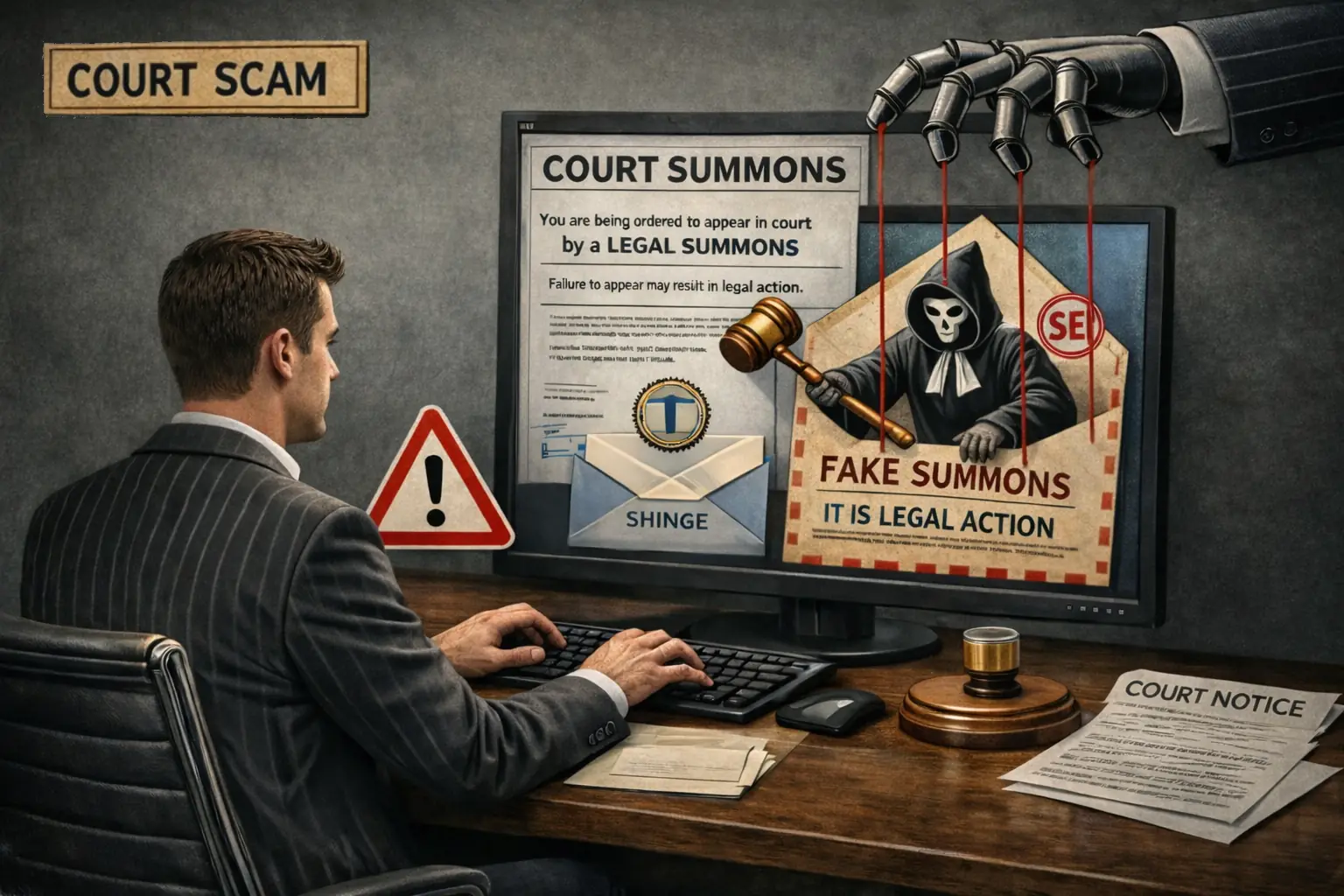
Fake court summons by email – scammers impersonate the justice system and law enforcement to intimidate victims
A fake court summons sent by email tries to trap recipients with serious threats and a forged official document. Discover the warning signs, the right reflexes and how to report this scam.
Learn more...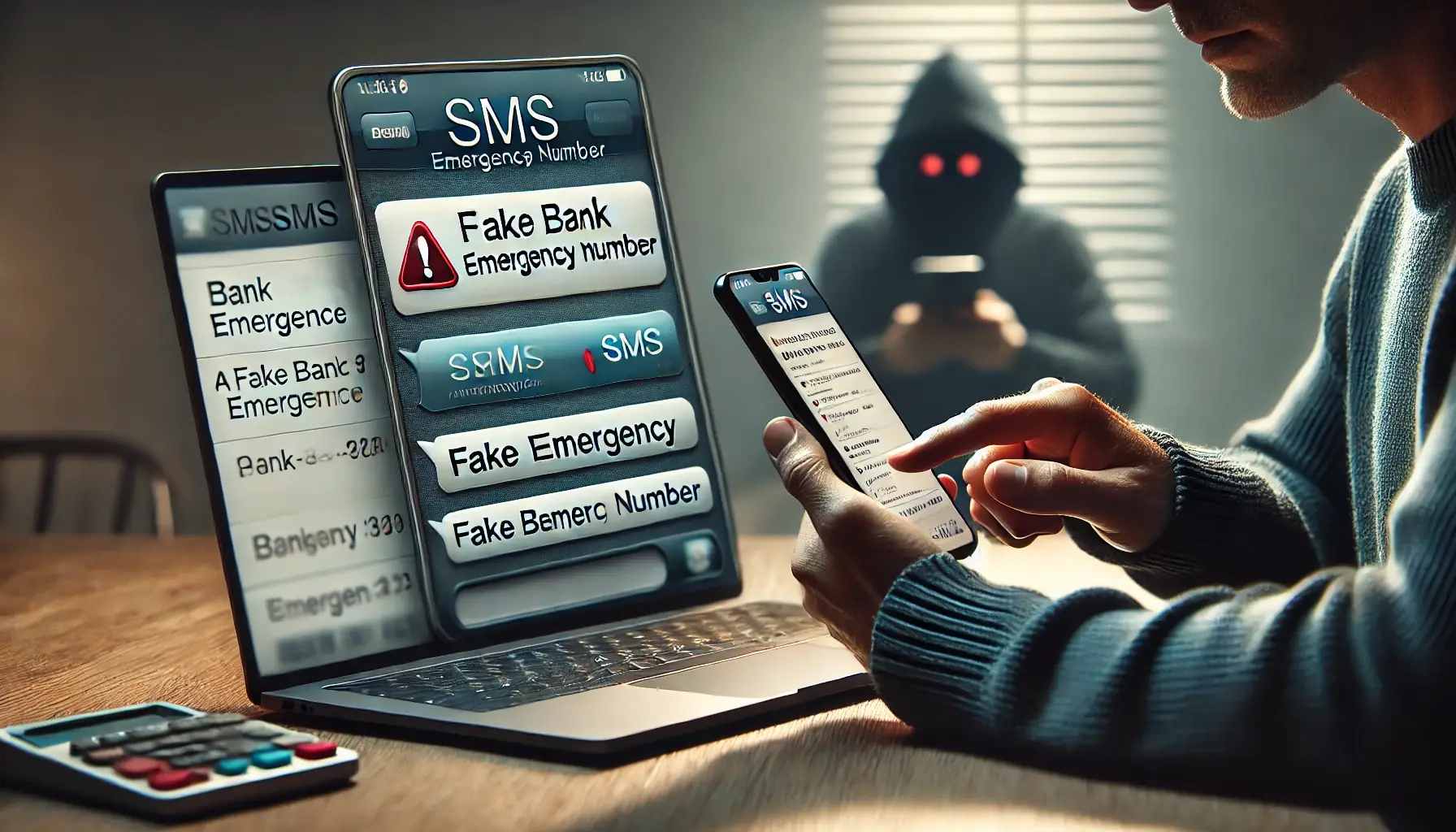
Fake bank card blocking number – a scam text message directing you to a fake emergency service
Scammers send alarming text messages with a fake bank blocking number to call urgently. Once on the phone, they try to obtain your codes or make you approve a transaction. Learn how to avoid this trap.
Learn more...
Fake parking ticket with QR code on the windscreen – a scam designed to steal your banking details
Scammers place fake parking tickets with QR codes on windscreens to encourage drivers to pay a fine on a fake official website. This scam aims to collect banking details. Learn the warning signs and the right precautions.
Learn more...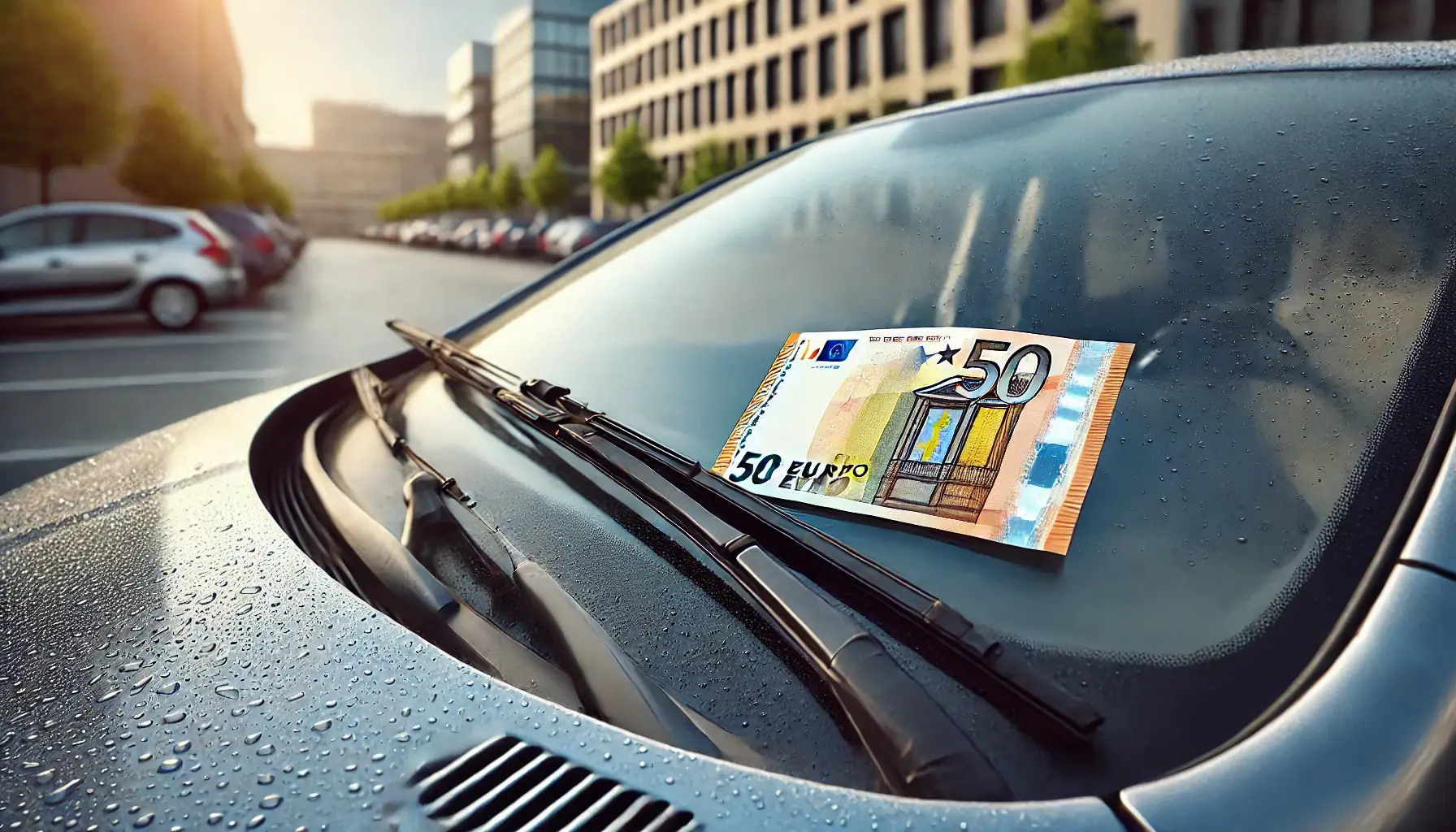
Banknote on the windscreen scam – a discreet technique used to steal your car or belongings
Some thieves place a banknote on a car windscreen to distract the driver and make theft easier. Discover how the scam works, the warning signs to spot and the right reflexes to avoid falling into this trap.
Learn more...
Fake humanitarian donation appeals – The conflict in Iran used as a pretext for a wave of online scams
Fake “humanitarian” fundraisers linked to the conflict in Iran are spreading on social media and messaging apps. They aim to steal money and data through fraudulent payment pages and AI-generated content. Warning signs, advice and reporting links.
Learn more...