Scam Alert
Hello and welcome to Scam Or Reliable.

Scam Alert
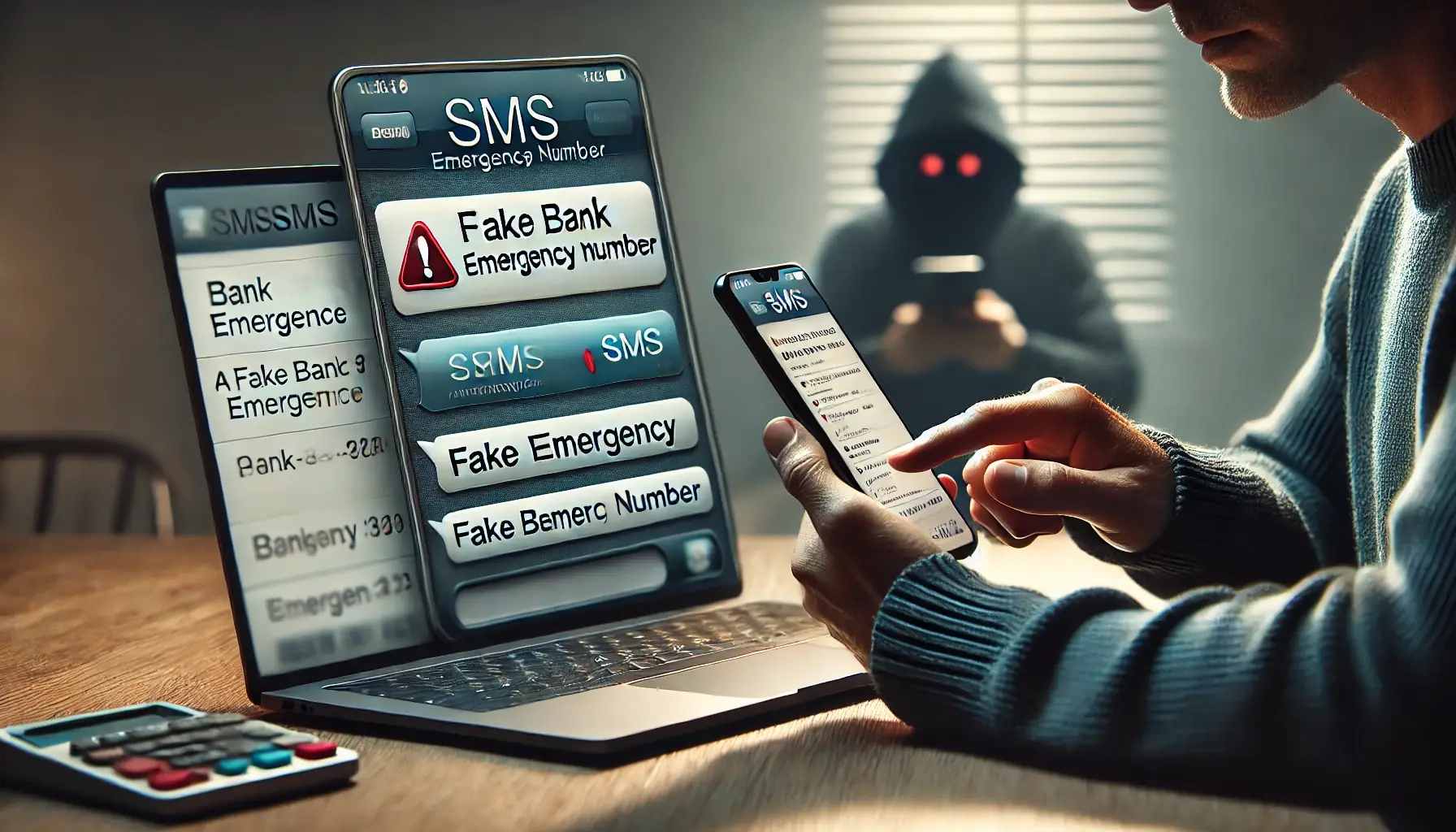
A new SMS scam aims to make you call a supposed emergency number after an alleged fraudulent transaction on your account.
Stay alert: here is how to recognize this trap and avoid speaking to a fake adviser.
This scam relies on an alarming message urging you to immediately call a number presented as your bank’s card-blocking service. On the other end of the line, it is not your bank but a fraudster.
Fraudsters send a text message mentioning a suspicious transaction, a card to be blocked or a banking emergency. The message includes a number to call quickly to “secure” the situation.
When the victim calls, they are reassured by a fake contact posing as a bank agent or security service. The scammer then tries to obtain confidential information, get a transaction approved or push the victim into carrying out a risky action.
Warning signs : alarming message, unknown number to call back, sense of urgency, requests for codes or login details, insistent tone, no verification through the bank’s usual channels.
If you receive this type of SMS, do not call the number provided and do not share any banking data. Take the time to verify the information with your bank using only its official contact details.
It is useful to report this attempt to National Cyber Security Centre (UK) or via the Federal Trade Commission reporting platform (US) to help reduce the risk for other consumers.
Reporting the scam and talking about it around you helps slow its spread and prevents others from calling this fake number.
To strengthen your vigilance, also see: 👉 Useful reflexes when facing fraud and scams ; 👉 Anti-fraud resources to know ; 👉 Good practices to avoid online scams



Consumer Reviews and Testimonials