Blog post: Online security
Hello and welcome to Scam Or Reliable!

Blog post: Online security
 Have you ever made an online purchase, whether for a slimming supplement or another product, and not received your order?
Have you ever fallen victim to internet fraud? Or had your banking details stolen?
First, it’s important to know that many problems can arise after making a remote purchase, and since these issues can sometimes spiral out of control, it’s wise to be informed and learn how to detect them in advance.
Whether you’re currently facing a problem or simply researching before making an online purchase, this article summarizes the essential points you should know before ordering online.
For your safety, we recommend reading this article carefully.
 Online shopping is a fast-growing global trend. In 2017 alone, online sales were estimated to reach nearly $660 billion in the United States and $440 billion in Canada and Mexico.
In France, online sales totaled €57 billion in 2014, €64.9 billion in 2015, and were projected to reach €70 billion in 2016.
This growth is largely due to today’s fast-paced lifestyles and the convenience online shopping offers: a wide variety of products, easy price comparisons, no need to travel or wait in line, and the freedom to shop anytime, anywhere.
Merchants typically offer several payment methods for online purchases:
Credit cards (MasterCard, Visa…), PayPal, bank transfers, or cash on delivery. These are the most common options.
All are safe when used in compliance with key security rules outlined below.
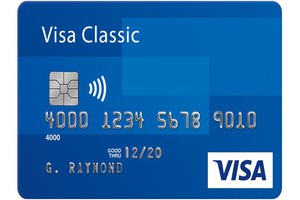 According to France’s CNIL (National Commission for Information Technology and Civil Liberties), credit card data required to complete an online purchase includes:
Merchants cannot store your card data after the transaction without your explicit consent. Retention is limited to 15 months, and the CVV must never be stored.
Merchants may request additional information (delivery address, account creation) to secure transactions, but must not require customers to accept advertising as a condition of purchase.
This widely accepted payment method requires a PayPal account and is considered secure and reliable.
Bank transfers are safe and simple, although a small fee may apply.
You may choose to pay upon delivery of your order, in cash or by check, depending on the seller’s policy.
 To prevent fraud and data theft, merchants are required to encrypt customer data.
They must comply with standards such as PCI DSS and are strongly advised to implement 3-D Secure protocols for added authentication security.
Merchants should avoid storing customer data on high-risk devices like mobile phones, and should partner with certified providers when necessary.
Before placing an order, verify these key points:
 The GTCs serve as a contract between you and the seller. They outline payment terms, delivery conditions, return policies, customer service, and guarantees.
Read them carefully before proceeding. Accepting them binds you to the listed clauses.
If a site doesn’t clearly display its GTCs, it’s a major red flag.
All e-commerce sites must display legal notices including ownership details, contact information, data protection policies, and intellectual property rights.
Checking these helps you verify the seller’s legitimacy.
 Ensure the payment page uses HTTPS, not HTTP. Look for https:// in the browser address bar and a padlock icon, which signify a secure connection.
Don’t rely solely on logos or payment icons displayed on the site.
Trustworthy sites display certification logos and quality seals related to privacy protection.
A reputable site is visually professional, easy to read, free from excessive ads, and uses proper language.
Avoid sites full of pop-ups, poor grammar, or fake-looking reviews.
Seek out both positive and negative reviews across multiple platforms to get a balanced perspective.
Be wary of overly enthusiastic testimonials, which are often fake.
 Contact customer service before placing your order to test their responsiveness and professionalism.
Choose a payment method you trust and that offers fraud protection.
A serious company will have an official website to showcase its products. Some also sell through authorized resellers.
Lack of an official site is a red flag. At Arnaque Ou Fiable, we consider a verified official site to be a primary indicator of reliability.
According to France’s ONDRP, fraudulent bank charges increased by 60% between 2010 and 2013.
One of the most common scams involves subscription traps disguised as special offers (e.g., “just pay shipping”).
Always read the terms carefully to avoid hidden subscription fees.
Be cautious with promotional emails containing links or attachments — they may install malware or steal your data.
 Phishing is a tactic where scammers impersonate trusted organizations to steal sensitive information.
Always verify URLs carefully, as fake sites can look identical to official ones.
You have a legal 14-day withdrawal period during which you can cancel your order and receive a refund.
If a problem arises:
Contact the seller’s customer service to request a return, replacement, or refund. If necessary, send a registered letter with your order details.
Seek assistance from a trade association to help resolve the dispute.
A mediator can help resolve civil disputes without going to court.
If the seller is in France or the EU, you can contact the DDPP.
For non-European sellers, file a complaint at: https://www.econsumer.gov
If all else fails, report the seller via: https://www.internet-signalement.gouv.fr
If unsure, research the seller or contact us for assistance.
This adds an extra layer of protection via SMS verification.
These limit potential losses in case of fraud.
Report any suspicious activity to your bank immediately.
Useful resources:
- Scam Alert: Anti-fraud websites to protect and assist consumers
- Scams, Protect and React: Frauds, Scams and Swindles: How to Protect Yourself and React
- Avoid Online Traps: How to protect yourself from scams