Scam Or Reliable - All Alerts

“Greenwashing”: Fake Environmental Campaigns
Brands and influencers abuse “eco” buzzwords to sell low-quality goods or run fake environmental drives. Learn the red flags (phony labels, no legal info, no proof) and how to report to the ASA or FTC before you buy.
Learn more...
Fake Experts in Hacked Account Recovery
Scammers pose as “ethical hackers” who promise to restore your stolen account quickly. After you pay — often in crypto or via transfer — they vanish or ask for more money. Never pay such imposters; only use official recovery tools provided by the platform.
Learn more...
Mirror website scam – fake sites copy major e-commerce platforms
Scammers create “mirror shop” websites mimicking platforms like Amazon, Temu or Shein to deceive buyers. By copying the appearance of real stores, these fake sites capture payments and banking details. Learn how to detect and avoid these fraudulent e-shops.
Learn more...
Fake “British Brands” Dropshipping Scam
Many shops posing as British brands are just dropshippers using edited photos and fake reviews. Goods ship from abroad, refunds are rare. Check Companies House, use secure payments and report scams to Report Fraud.
Learn more...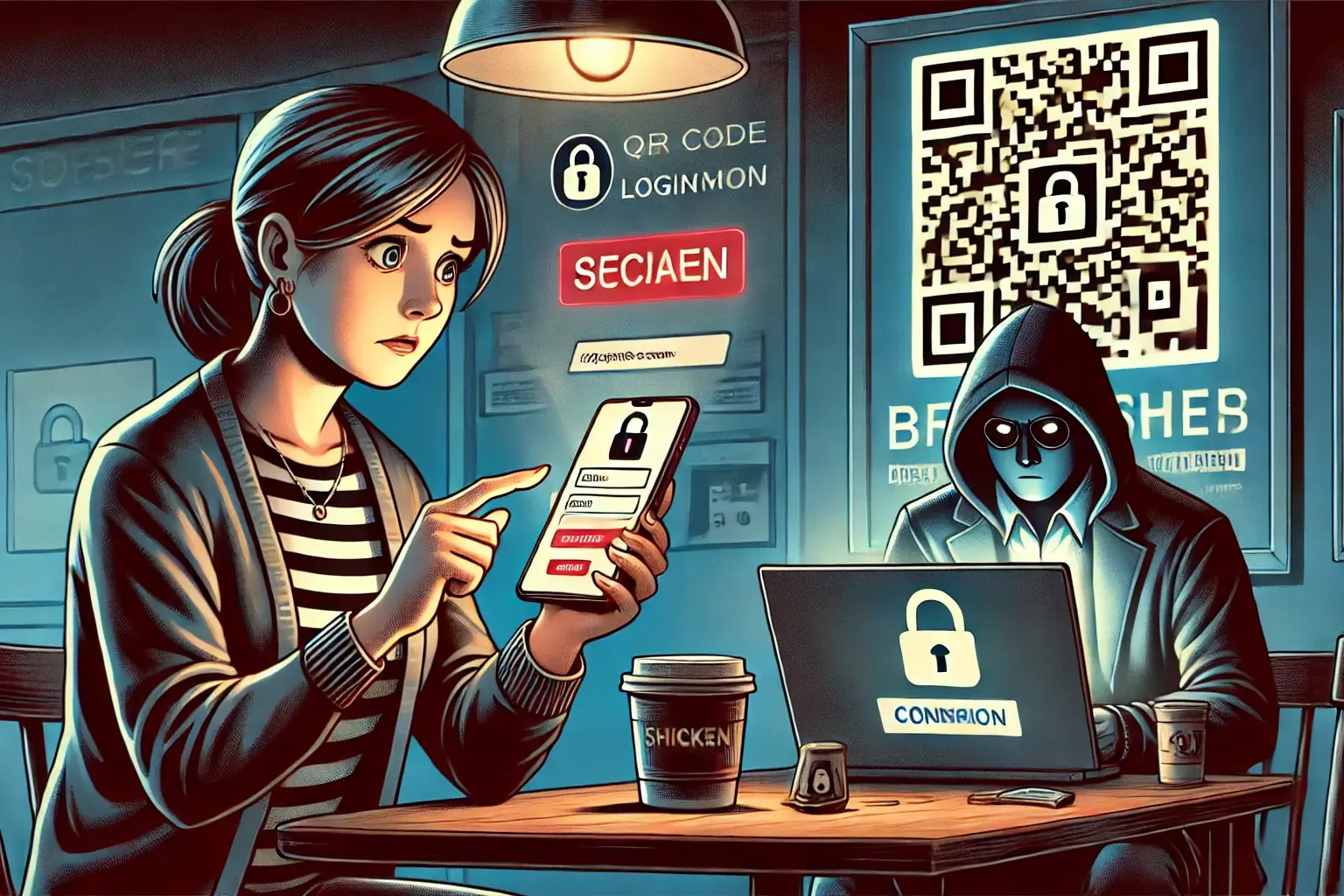
“Quishing”: the QR Code Scam
“Quishing” mixes phishing with QR codes. Criminals stick fake codes on posters or send them by email to steal data or install malware. Watch for strange URLs and report scams to the NCSC (UK) or FTC (US) if in doubt.
Learn more...
Video blackmail scam “sextortion”
Scammers spoof your address, threaten to share “intimate footage,” and push for urgent crypto payments. It’s psychological pressure, not real hacking. Don’t pay; report the email, change passwords, and enable two-factor authentication.
Learn more...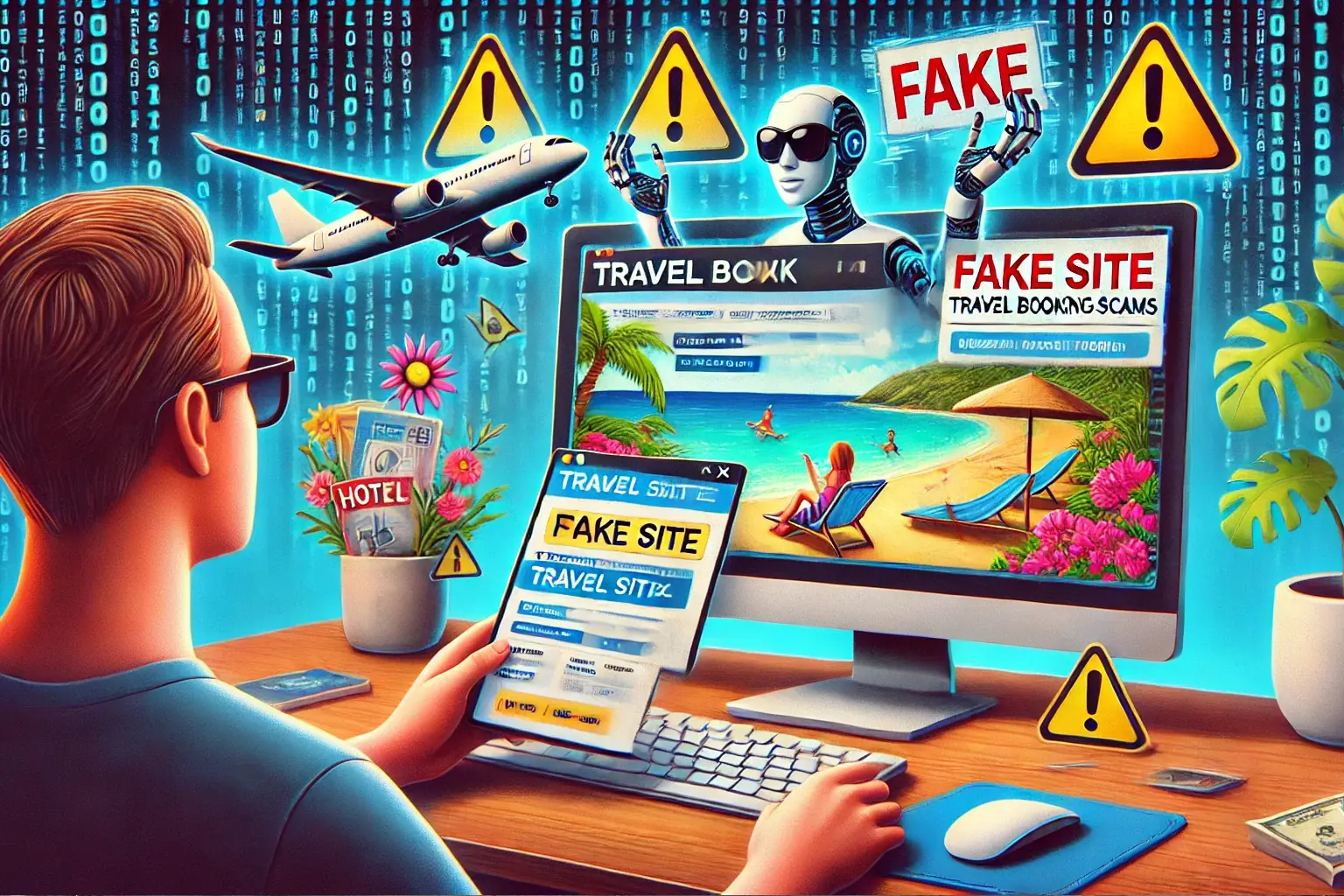
AI-Generated Travel Booking Scams
Fake AI-generated travel platforms offer cheap deals with fake photos. Victims pay in advance and lose their money. Always use official, trusted booking websites.
Learn more...
Lost Pet Scams
Fraudsters exploit missing pet ads to claim they’ve found your animal and demand money for “care” or “boarding.” Some send fake vet receipts and ask for urgent bank or prepaid payments before disappearing. Learn how to spot and report these pet rescue scams safely.
Learn more...
False aid related to bad weather
After natural disasters, fake agents and repairmen exploit victims by offering fraudulent aid or donations. They often demand money upfront or sensitive information. Always verify identities and report suspicious contacts to authorities.
Learn more...
AI Agent Scams
Scammers use realistic chatbots to simulate trustworthy conversations, tricking victims into sharing sensitive information. Stay alert when chatting with “AI assistants” online.
Learn more...