Scam Alert
Hello and welcome to Scam Or Reliable.

Scam Alert
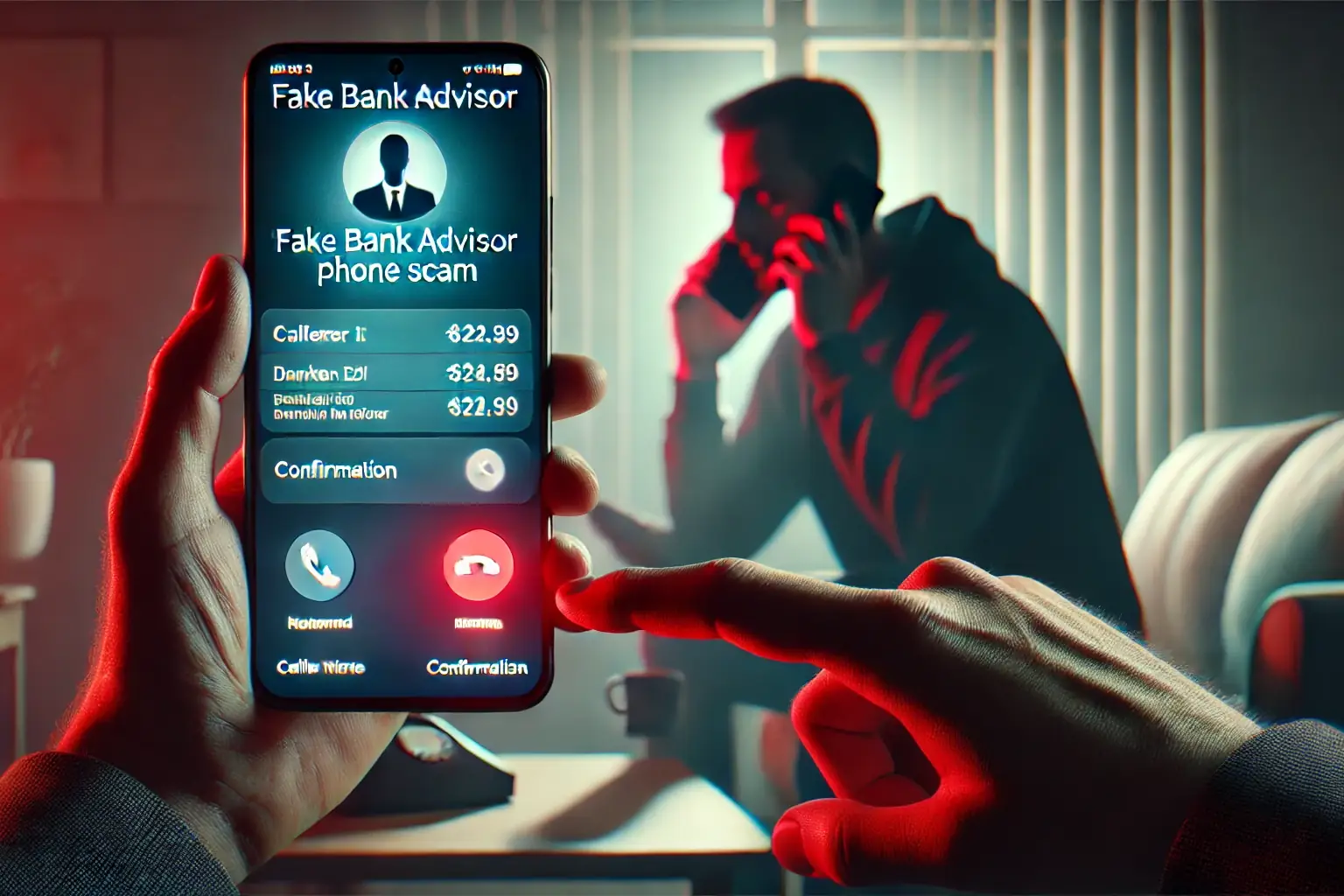 English-speaking consumers report calls and text messages claiming to come from a bank’s Fraud & Security Department (UK), a bank’s Fraud Department (US), the Financial Conduct Authority (UK), or the Office of the Comptroller of the Currency (US). Fraudsters refer to a supposed suspicious transaction in order to obtain banking details. Stay alert: here is how to recognise this scam and protect yourself.
Scammers impersonate a bank’s Fraud & Security Department (UK), a bank’s Fraud Department (US), the Financial Conduct Authority (UK) or the Office of the Comptroller of the Currency (US) in order to make their story appear credible and obtain your confidential security codes.
The victim receives a call or text message mentioning alleged fraud on their bank card. The message urges them to call back a number or confirm an urgent transaction. During the exchange, the caller requests online banking credentials, card numbers or a verification code received by text message in order to complete the fraud.
Warning signs : insistence on urgency, request for a security code, number different from the official contact, pressure to act immediately.
If you receive a suspicious message referring to a bank’s Fraud & Security Department (UK), a bank’s Fraud Department (US), the Financial Conduct Authority (UK) or the Office of the Comptroller of the Currency (US), do not share any information and end the conversation immediately.
Report the attempt on official platforms such as reportfraud.police.uk (UK) or ic3.gov (US), then inform your bank.
Reporting the scam quickly to the relevant public authority and warning those around you helps limit the number of victims.
To better understand how banking fraud works and how to respond:
👉 Fraud and scams: how to protect yourself effectively
👉 Essential steps to avoid online scams



Consumer Reviews and Testimonials