Blog post: Online security
Hello and welcome to Scam Or Reliable!

Blog post: Online security

Online comparison sites can help you choose insurance, an energy offer, a loan, travel, a subscription or a digital service. But they do not all play the same role: some genuinely inform users, while others mainly steer them toward paying partners. The risk is not always a direct scam, but a biased decision caused by […]
Learn more...
After a scam, some fake services promise to recover lost funds in exchange for payment. Discover the warning signs, the essential checks and the right reflexes to avoid falling into a second trap.
Learn more...
Paid micro-task scams promise that you can make money easily from your phone or computer. They present themselves as small, simple assignments: liking content, rating products, optimising listings, testing apps or validating fictitious orders. Behind this apparent simplicity, the scenario often aims to create the impression of progressive earnings before asking the victim to send […]
Learn more...
When facing online fraud, the hardest part is not always understanding that a risk exists, but knowing what to do at the right moment. A suspicious message, a dubious offer, an unknown shop, a pressurising call or an impersonation attempt can create enough confusion to lead to a poor decision. To avoid reacting too quickly […]
Learn more...
Scams involving online currency converters are multiplying with the digitalisation of payments and investments. Behind interfaces that often look highly professional, these platforms use discreet mechanisms to divert money without immediately raising suspicion. Some manipulate exchange rates, others promise fictitious gains or block withdrawals. Understanding these practices helps avoid financial losses that can sometimes be […]
Learn more...
Greenwashing is not always just an exaggeration in advertising. In some cases, environmental claims become a real trap to steer a purchase, justify a higher price or lower the consumer’s level of vigilance. A website, advertisement or packaging may give the impression that a product is environmentally friendly, even though the claim remains vague, unverifiable […]
Learn more...
SIM card scams are steadily increasing, driven by the widespread use of smartphones and SMS-based authentication. Behind these frauds, various techniques allow scammers to take control of a phone number or exploit mobile infrastructures on a large scale. Some attacks are highly technical, while others rely on psychological manipulation. Understanding these methods is essential to […]
Learn more...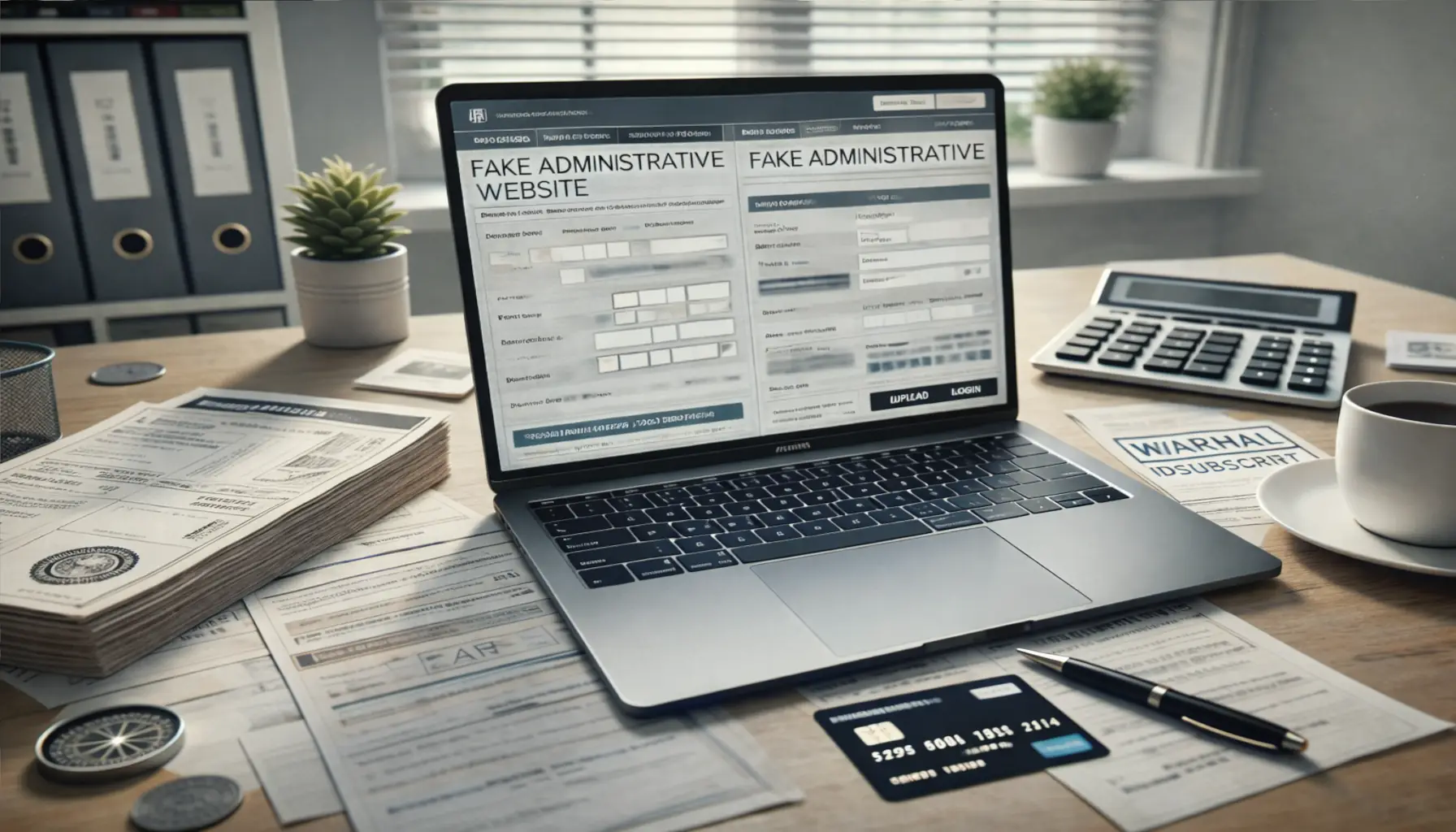
Vehicle registration, driving license, Clean Air sticker, change of address or official document requests: these procedures have long attracted websites that imitate government services or present themselves as official assistance. Their method is often the same: appear very high in search results, use a reassuring design and charge for a vague service, sometimes for a […]
Learn more...
Some online shops present themselves as local brands, with a polished name, a well-designed website and reassuring messaging about quality or customer service. Yet behind this shopfront, some of them neither design nor manufacture their products, and simply resell low-cost imported items from Asian marketplaces at a high markup. The problem is not just the […]
Learn more...
Social media is now full of accounts promising to make money through sports betting. Behind these profiles are often “tipsters”, prediction sellers who claim to have reliable methods for predicting match outcomes. On Instagram, Snapchat or Telegram, they stage a spectacular success story to convince their followers to pay for access to exclusive tips. However, […]
Learn more...