Scam Alert
Hello and welcome to Scam Or Reliable.

Scam Alert
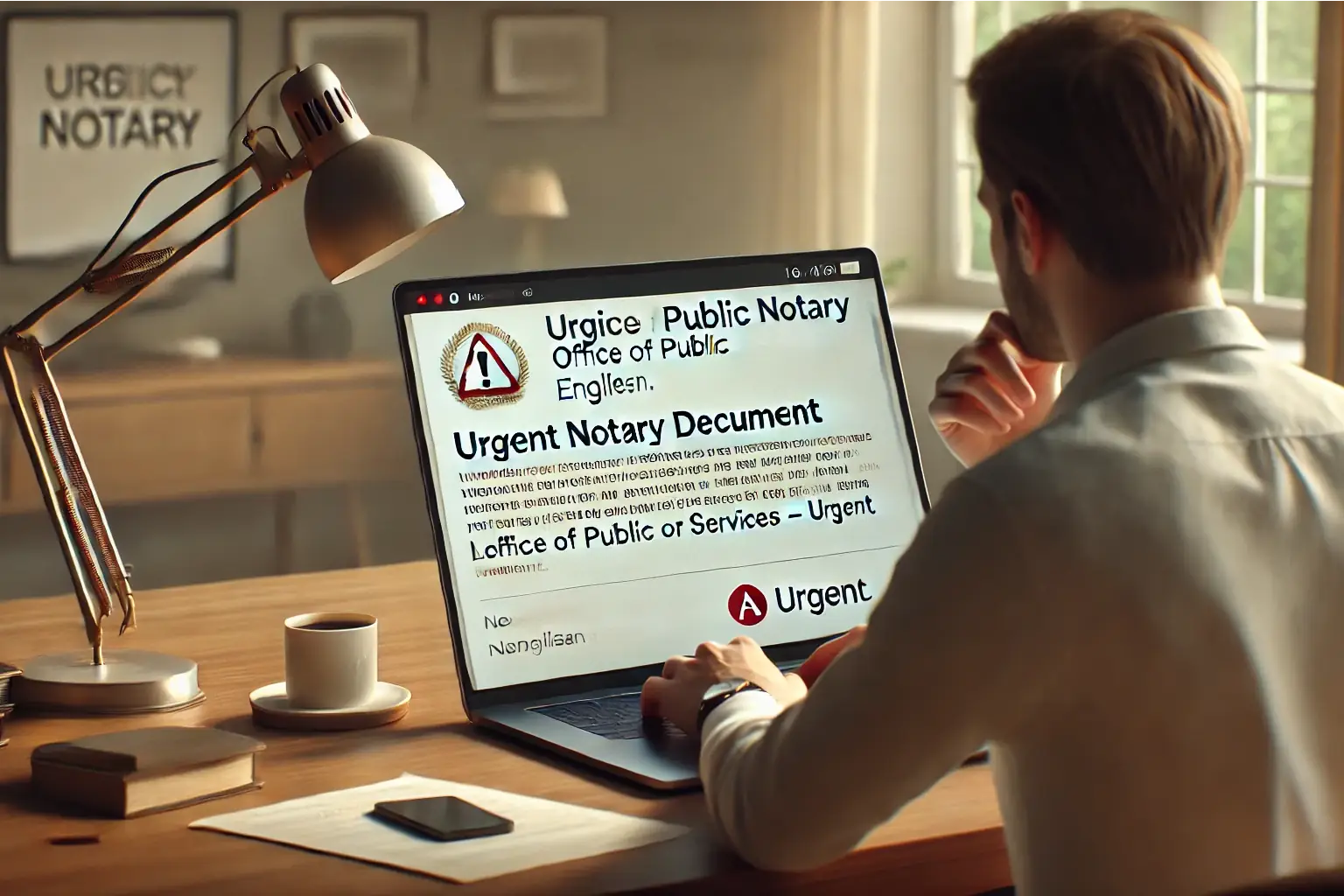 Fraudulent emails impersonate notaries or notary offices to push you into opening a sensitive “case file” (inheritance, property sale, power of attorney). Stay on your guard: here are the clues that expose the scam and the right reflexes to avoid the trap.
Scammers steal a notary’s identity to give their message an “official” look and create a sense of urgency. The goal is to make you click a link or open an attachment to harvest your data (identity details, email access, documents, and sometimes even banking information).
You receive a message claiming to deal with a serious matter: inheritance, notarial deed, property sale, power of attorney, “document to sign”. The message stresses confidentiality and urgency, then redirects you to a link (signature/sharing portal) or pushes you to open an attachment (PDF, “document”, archive). Next, a fake login page, a form, or a booby-trapped file tries to steal your credentials and information.
Warning signs : unusual sender or a domain that imitates a real one (swapped letters, hyphens, lookalike variants), alarming tone (“final reminder”, “must be signed today”), shortened or suspicious link, unexpected attachment, request for sensitive information (ID card/passport, bank account details, codes), typos/odd phrasing, contact details that don’t match the real notary.
If you receive this type of email, don’t reply, don’t click any link, and don’t open any attachment. If you’re unsure, contact the notary’s office using contact details found independently (official directory) and, if you interacted with the message, secure your accounts immediately (new password + 2FA).
Reporting these attempts helps block campaigns and protect other victims: you can use Report a suspicious email (UK) — NCSC and, depending on the case, the official portal ReportFraud (US) — FTC. For guided “what to do now” advice, also see CISA guidance on phishing (US).
To quickly check whether the notary is genuine and find the office’s official contact details: use the directory Find a Notary (UK) — The Faculty Office or NASS – Notary Services (US) (and never use the numbers/links provided in the suspicious email).
To go further and build the right daily habits, you can consult these internal resources:


Consumer Reviews and Testimonials