Scam Alert
Hello and welcome to Scam Or Reliable.

Scam Alert
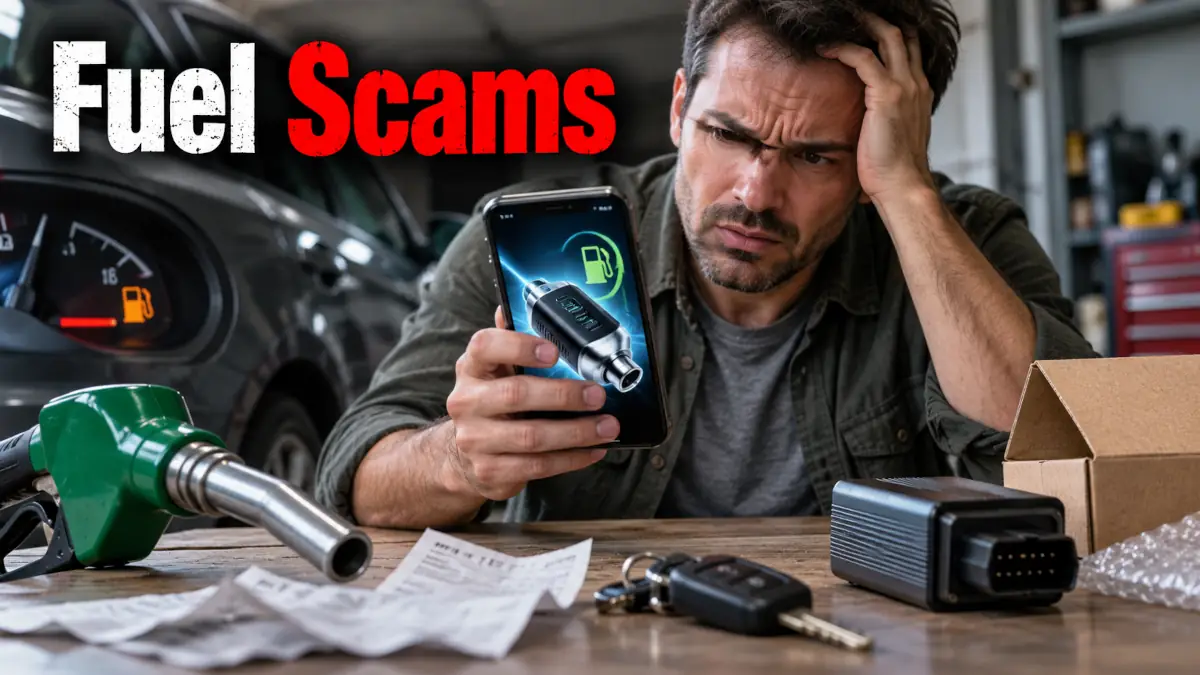 Rising fuel prices do not just weigh on consumers’ budgets: they also create new opportunities for fraudsters.
When prices at the pump soar, promises of vouchers, free fill-ups or unbeatable rates become effective bait for extracting money or banking data.
Stay vigilant: a few checks are often enough to distinguish real information from a well-presented trap.
These frauds take several forms: fake fuel aid, fictitious fuel vouchers, websites selling at abnormally low prices, messages imitating brands, or products and devices supposedly able to drastically reduce fuel consumption. Their common point is exploiting the desire to save money in order to push people to act too quickly.
Scammers spread SMS messages, emails, adverts or web pages that appear to come from a public authority, a service station, an oil company or an energy seller. The victim is invited to fill in a form, pay supposed fees, order very cheap fuel or confirm banking details.
Some fake websites reuse elements of an existing company to inspire trust, while other traps are found directly at payment terminals, notably through devices designed to capture bank card data.
Warning signs: fuel aid received by message with a link, large quantities of free fuel, price far below the market, request for a quick bank transfer, fees to pay in order to obtain a grant, refund conditional on your banking details, seller difficult to verify, advert pressuring you to decide immediately, unusual or poorly fixed payment terminal.
A very attractive fuel offer should not make you speed up your decision: that urgency is exactly what fraudsters are looking for. Before paying, filling in a form or clicking a link, take the time to check the source, the seller and the stated conditions.
If you have doubts or have been targeted by fraud, reporting it on an official website or national platform can help limit the damage; you can also use our anti-fraud reporting assistant and warn those close to you to help prevent other victims.
To go further, these internal resources can help you check an offer, react after fraud or learn to spot suspicious signs:


Consumer Reviews and Testimonials