Scam Alert
Hello and welcome to Scam Or Reliable.

Scam Alert
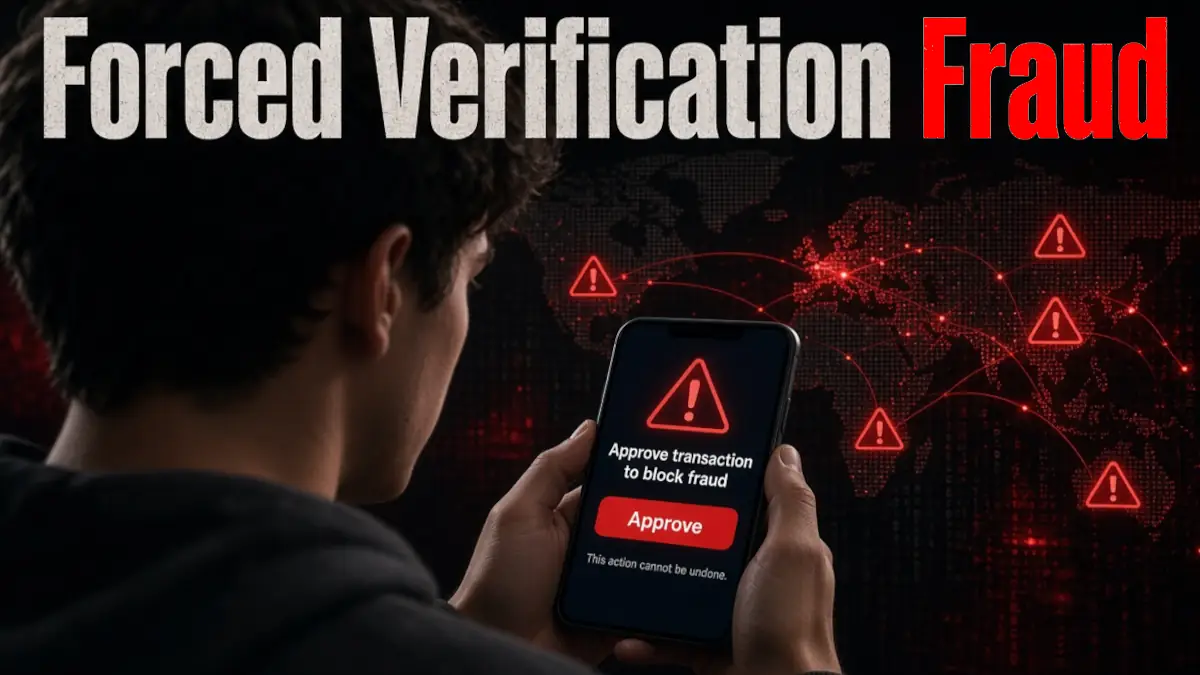 An alarming call or message can hide a particularly deceptive scam: the fraudster does not break the security of your app, but instead pushes you to approve a genuine action yourself. Under the pretext of blocking fraud, the approval actually triggers a transfer, login or access for the benefit of the fraudster.
Stay vigilant: an approval request received under pressure should always be treated as a potential danger.
This scam relies on psychological manipulation: the victim believes they are protecting their account when they are actually authorising the operation requested by the fraudster. The apps involved may be completely legitimate, which makes the trap particularly convincing.
The fraudster poses as a bank adviser, anti-fraud service or someone connected with a digital identity service. They create a sense of urgency, then ask the victim to confirm an action in an app, provide a code received by SMS or use biometric authentication.
Depending on the country, the scenario may involve a banking app, a digital identity or authentication service, an online banking app, a Faster Payments transfer (UK) or a Zelle transfer (US). The wording changes, but the objective remains the same: make the victim believe that approving the request will stop the problem, when in fact it authorises it.
Warning signs: urgent call, number that appears official, approval request you did not initiate, SMS code you are asked to read out, notification received during a call, mention of an urgent need to block, cancel or secure something, details displayed on the screen that do not match an action you have just initiated.
An approval is used to authorise an action, not to prevent it. If you have any doubt, stop the exchange, confirm nothing and contact your financial institution through an official channel.
Reporting this type of attempt on a national platform or through our anti-fraud reporting assistant helps limit the spread of the scam; talking about it with those close to you can also prevent other victims.
To strengthen your reflexes and check suspicious messages, these resources can help:



Consumer Reviews and Testimonials