Scam Alert
Hello and welcome to Scam Or Reliable.

Scam Alert
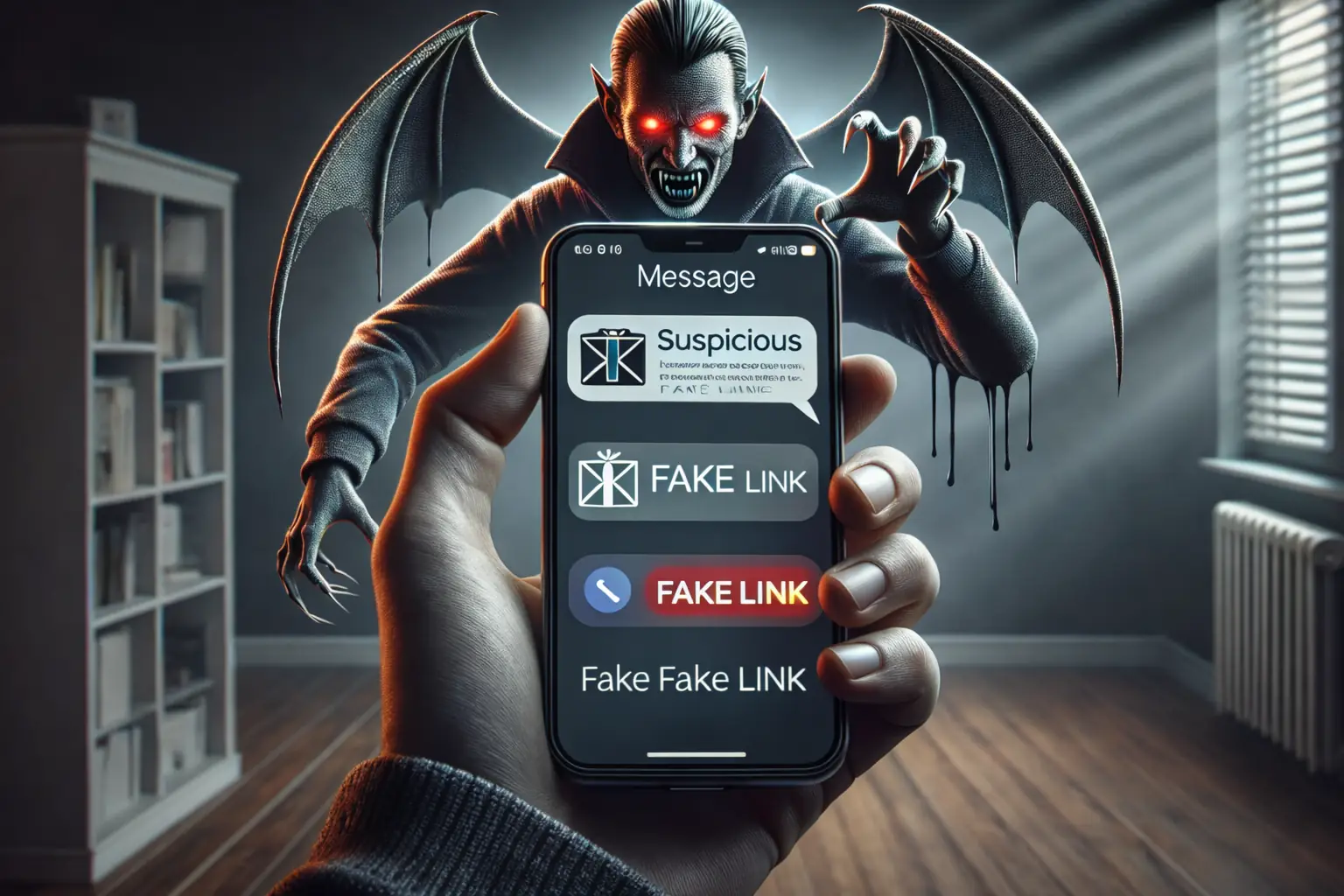
A wave of fraudulent messages is currently circulating via iMessage and RCS, impersonating delivery companies, banks or well-known services in order to extract personal and banking data.
Be extra cautious: here are the warning signs to spot and the right reflexes to adopt so you do not fall into the trap.
This scam relies on highly credible messages sent to smartphones to push you into acting urgently. The aim is to make you open a fake website, reply to the message or continue the conversation on another messaging app in order to collect your sensitive information.
Fraudsters use iMessage and RCS to send messages pretending to come from a delivery service, a bank or a known organization. The pretext varies, but it is often a parcel that is supposedly blocked, a payment to confirm or an account to verify.
They then try to make you reply to the message to make the link clickable, or to move you over to WhatsApp or Telegram, where the fraud continues more discreetly. Once you are on the fake site, your login details, contact information or banking data can be collected immediately.
Warning signs: unexpected message, urgent tone, unknown number, request to reply with “Y” or “1”, invitation to continue on another messaging app, link to a page that closely resembles an official website, quick request for banking or login information.
If you receive this type of message, do not click anything, do not reply and do not open any conversation on a third-party messaging app. If in doubt, contact the delivery company, bank or service concerned directly using its official contact details.
You can report this type of fraud to the National Cyber Security Centre (UK), Action Fraud (UK), ReportFraud.ftc.gov (US) and the FCC (US), then warn your loved ones to help prevent further victims.
To go further, also read our practical advice to better spot traps and react to scams: The key points to follow to avoid most online scams and Fraud, Scams and Cons: How to Protect Yourself and React!
👉 If you think you have been scammed, follow our interactive guide for fraud victims without delay.
👉 If you have witnessed a scam, report it in the right place thanks to our fraud reporting assistant.
👉 If you would like to test your knowledge, try our interactive scam simulator.


Consumer Reviews and Testimonials