Blog post: Online security
Hello and welcome to Scam Or Reliable!

Blog post: Online security

A data breach is not always noticeable when it happens, but its consequences may only emerge much later. Information entrusted to a company, online retailer, government agency or online service may be exposed, copied or accessed without authorisation. For users, the danger comes not only from the breach itself, but also from the fraudulent use that may subsequently be made of the information. Understanding the right precautions can help reduce the risks without giving in to panic.
A data breach occurs when confidential information escapes the control of the organisation responsible for holding it. It may result from a cyberattack, a technical vulnerability or human error within a company or government agency. For the person affected, the outcome is the same: data that should have remained protected may circulate beyond its intended environment.
The information exposed is not always limited to a password. A compromised database may contain names, addresses, email addresses, phone numbers, banking details or other information that can identify an individual. Once obtained, this data may be sold on the dark web and reused in more convincing scam scenarios.
The main risk lies in combining several pieces of personal information. A scammer who knows your name, email address and the service you use can write a much more convincing message than ordinary spam. If a password has also been exposed, the danger increases, especially when the same password is used across several websites.
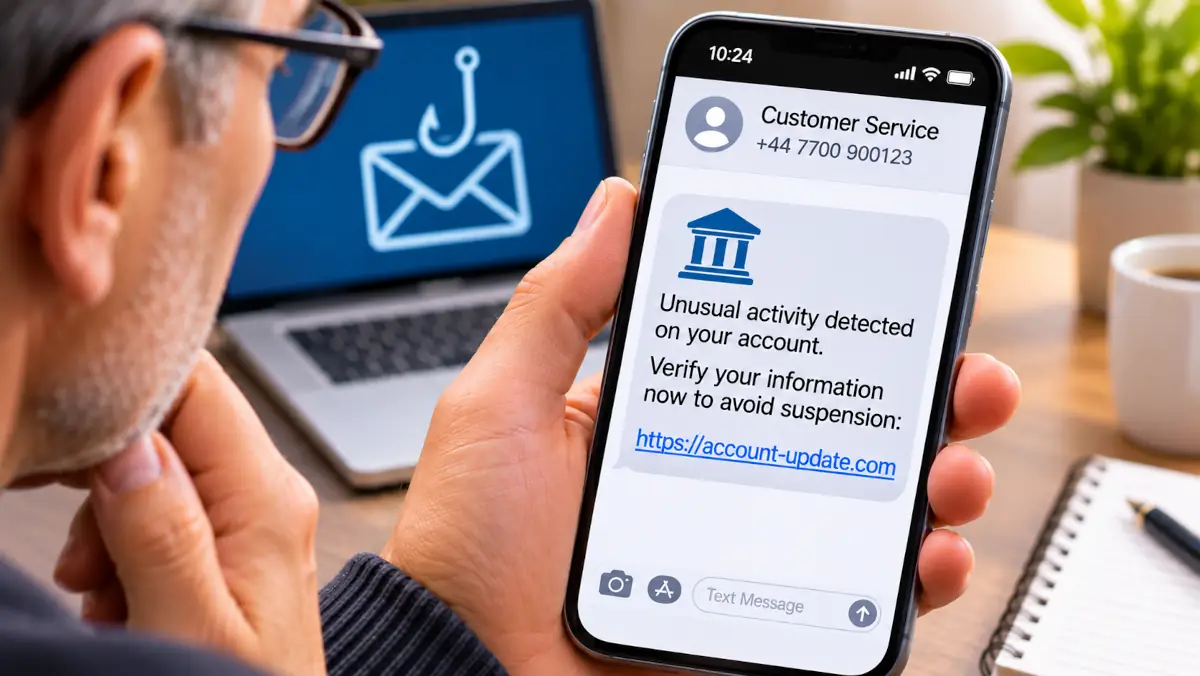 Stolen data is rarely used for just one attempt. It can fuel targeted phishing campaigns, unauthorised account access or fraudulent activities carried out in the victim’s name. The fact that a message contains genuine personal information does not therefore prove that it comes from a legitimate organisation.
Targeted phishing is one of the most common uses of information following a breach. A fake email, text message or phone call may include your name, phone number, address or a familiar reference to create a sense of trust. The fraudster may then claim to represent a bank, customer service department or online platform and pressure you into clicking a link, providing a code or confirming sensitive information.
A chain reaction of account compromises presents another danger. When the same password is used across several services, credentials compromised on one website may allow access to other accounts. A secondary account can then become an entry point to an email account, customer portal or service containing more sensitive information.
Administrative or financial data can also be exploited in identity theft attempts. An address, a National Insurance number (UK), a Social Security number (US) or bank account details may be used to attempt to take out a subscription in someone’s name or initiate fraudulent transactions or applications. Not all data breaches are equally serious, but seemingly ordinary information can become valuable when combined with other details.
It is impossible to completely prevent a company or government agency from experiencing a security incident. However, your digital habits can limit the damage if one of your accounts is exposed. The aim is not to become a cybersecurity specialist, but to keep your online activities sufficiently separate so that a single breach does not compromise everything else.
Using a unique password for every website remains one of the most effective protective measures. A password manager allows you to create and store long, complex and different passwords for each service. That way, if one website is compromised, the stolen password cannot automatically be used to access other accounts.
Two-factor authentication adds a useful security barrier. Even if a hacker knows your password, they still need to complete an additional verification step, for example through a dedicated app or a code received by text message. This protection does not eliminate every risk, but it makes unauthorised access to accounts considerably more difficult.
Limiting the information you share also reduces the amount of data that could be exposed. An account created quickly using a date of birth, phone number and saved payment details offers fraudsters more material than an account containing only the necessary information. The fewer unnecessary digital traces you leave behind, the less exploitable information a breach can reveal.
 An organisation affected by a personal data breach that poses a high risk to individuals must notify those concerned under the UK General Data Protection Regulation (UK GDPR). In the United States, data breach notification obligations depend on applicable state laws and the type of information exposed. Such notifications may explain what information was affected and which precautions you should take. However, they should not be confused with alarming messages demanding that you immediately click a link or disclose verification codes.
Caution is particularly important when you receive an alert claiming to announce a data breach. A genuine notification should not pressure you to disclose a password, verification code or banking details by replying to an email or speaking over the phone. If the message contains a link, it is better to access the relevant service by entering its usual website address directly into your browser rather than following a link you have received.
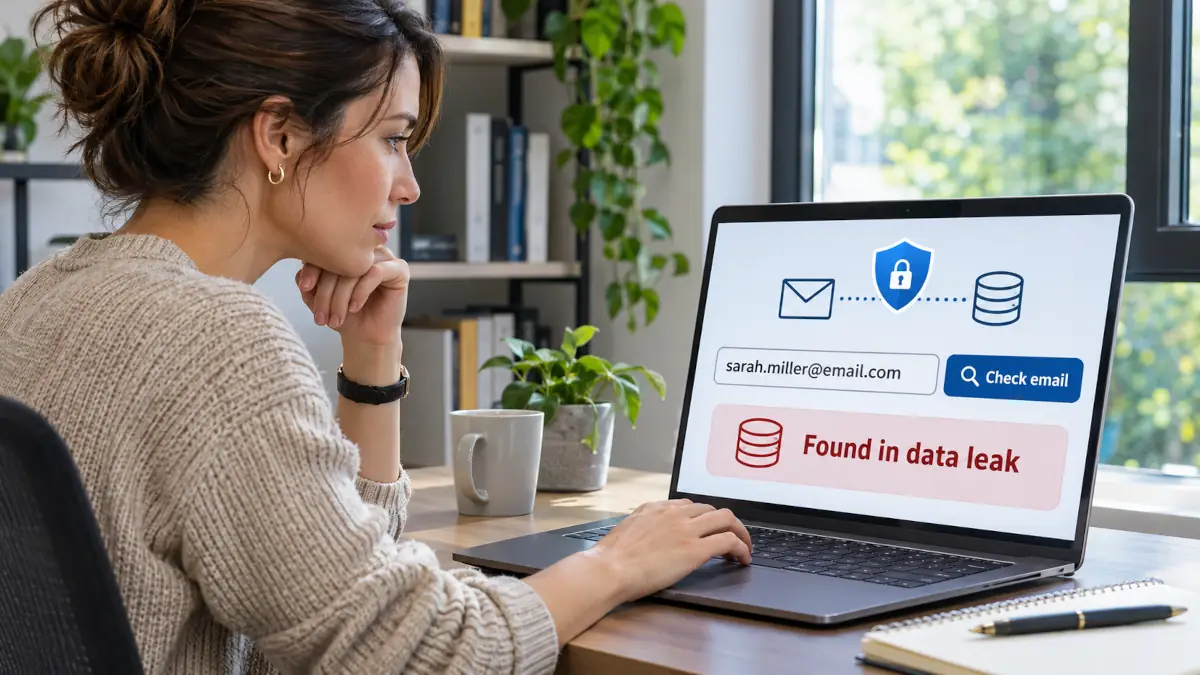
You can also check whether your email address appears in certain known compromised databases. Tools such as Have I Been Pwned or Mozilla Monitor allow you to carry out this type of search. These checks cannot guarantee that every existing breach has been recorded, but they provide an initial indication when an address has already been identified in a compromised database.
Acting quickly matters when a password, email address or financial information has been exposed. Start with the account directly affected, then extend your checks to any services where you may have used the same login credentials. An organised response helps prevent rushed decisions, such as clicking the first link you receive after learning about the breach.
You should change the password for the compromised service and for every other account where the same password has been reused. Each new password should be unique, long and difficult to guess. If two-factor authentication is available, enable it immediately after making the change.
Your email inbox deserves particular attention. It is often used to reset passwords for other accounts and can therefore become a gateway to your entire digital life. A strong, unique password combined with two-factor authentication, where possible, provides better protection for the services linked to that email address.
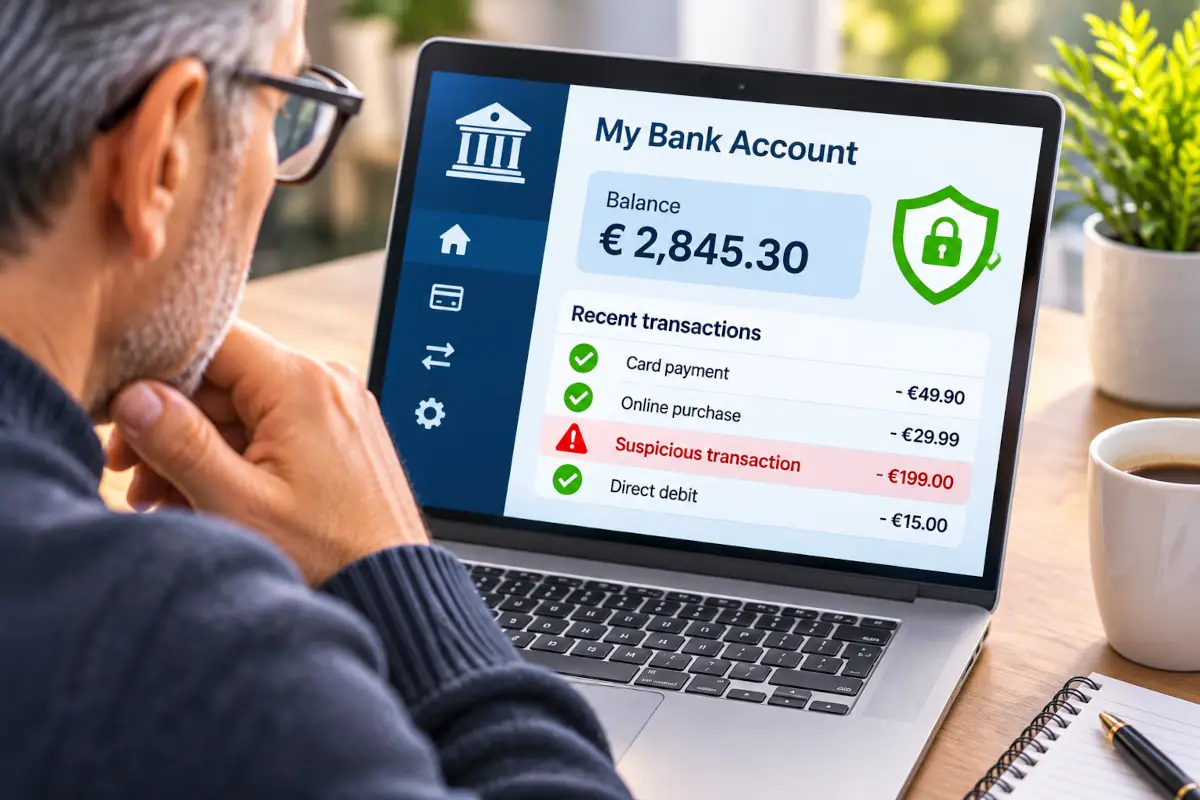 When financial information has been exposed, greater vigilance is essential. Review your bank accounts carefully to identify any transactions you do not recognise. An irregularity should never be ignored, even if the amount seems small.
If you have concerns about your card or banking details, contact your bank without using a phone number provided in a suspicious message. Use your bank’s usual contact details, available through your online banking account or official documents. Your bank can advise you on appropriate measures, such as securing your account or blocking your card if necessary.
Any suspicious transaction should be reported to your bank. Depending on the circumstances and your country, reporting the incident to the relevant authorities may also be necessary. Keep messages, screenshots, statements and useful reference numbers so that you have clear evidence if you need to explain what happened.
A data breach can trigger a second wave of risks: scammers use exposed information to contact you with personalised messages. Their aim is often to obtain a verification code, access to an account or a payment presented as urgent. The more specific the message appears, the more important it is to verify its authenticity through an independent channel.
Do not click links contained in urgent messages, especially when they claim to resolve a security problem. A fraudster can create a page that imitates a familiar service and captures the information you enter. The safest approach is to open the official website or app through your usual methods, without using the link you received.
A phone call should not make you lower your guard. Even if the caller knows your name, address or some of your personal information, this does not prove their identity. Never share a verification code over the phone when it can be used to authorise a transaction or access an account.
A data breach does not necessarily mean that fraud will occur, but it does justify a methodical response. The priorities are straightforward: change affected passwords, protect your email account, monitor your bank accounts if financial information is involved and remain cautious about personalised messages. By adopting these precautions before an incident even occurs, you can significantly reduce the potential impact of data exposure.
To strengthen your prevention habits, you can consult our practical guidance on avoiding common scams. If you have received a suspicious email, text message or other communication after a breach, our suspicious message analysis tool can help you assess it more objectively. If you have suffered harm or have serious concerns, our fraud victim assistance guide can help you organise the first steps without acting hastily.