Scam Or Reliable - All Alerts
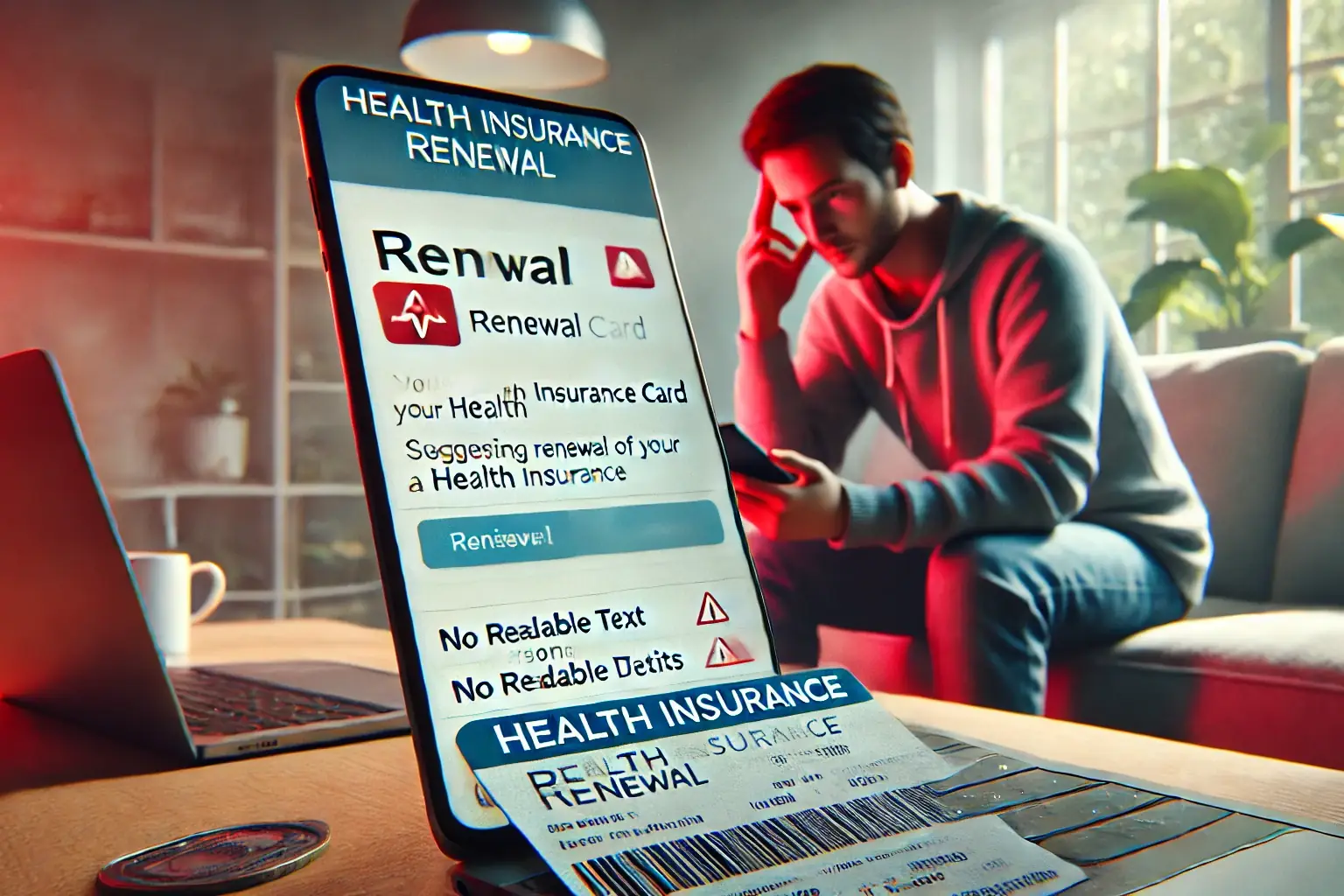
Health Insurance Scam – Fake Messages Impersonating the NHS and US Health Insurance Providers
A phishing campaign is targeting patients and policyholders in the United Kingdom and the United States. Fake messages claim that your NHS registration or health insurance coverage requires an urgent update in order to obtain personal and banking information. Discover the warning signs and the right steps to take.
Learn more...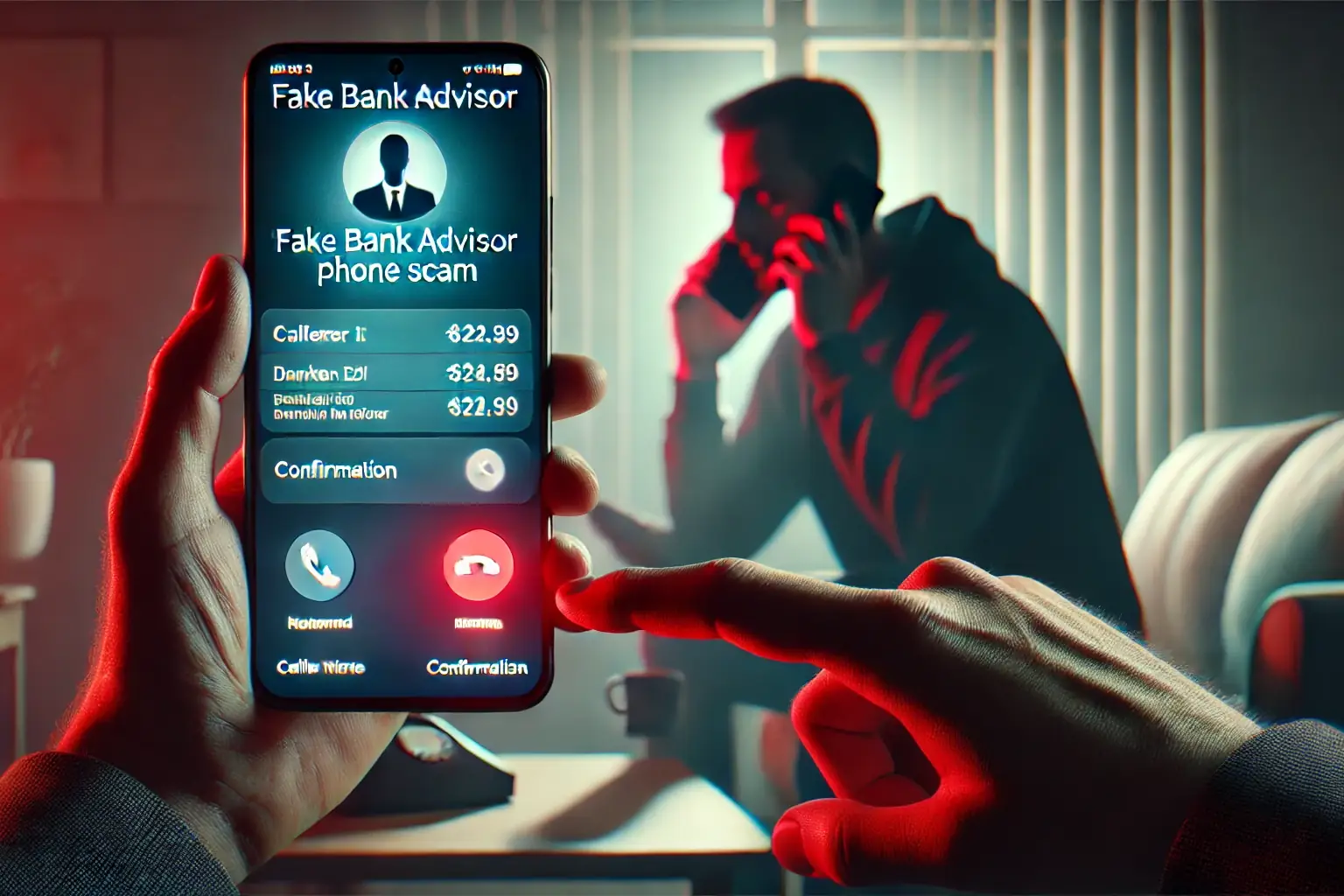
Bank Fraud & Security Department and Official Reporting Platform Scam – Calls Spoofing Official Numbers
A scam is targeting consumers by impersonating bank Fraud & Security Departments (UK), bank Fraud Departments (US) and financial regulators. Learn how to identify fraudulent calls, protect your data and report the attempt quickly.
Learn more...
WhatsApp “Easy Money” Scams – Fake like, review and “paid task” jobs
Fake recruiters contact you on WhatsApp and promise “simple paid work” (likes, reviews, ratings). Behind the scenes, they push you to send money, install a dubious app, or hand over your banking details. Here are the warning signs and the right responses.
Learn more...
Fake PDF invoices with QR codes – the “quick payment” scam targeting businesses
A PDF invoice received by email with a QR code can redirect you to a fake payment page. Here’s how to verify the issuer and avoid the scam.
Learn more...
Fake negative review blackmail – how to protect your reputation and avoid extortion
Businesses and self-employed workers are being targeted by review blackmail: pay in exchange for removing negative reviews. Here’s how to respond and protect yourself.
Learn more...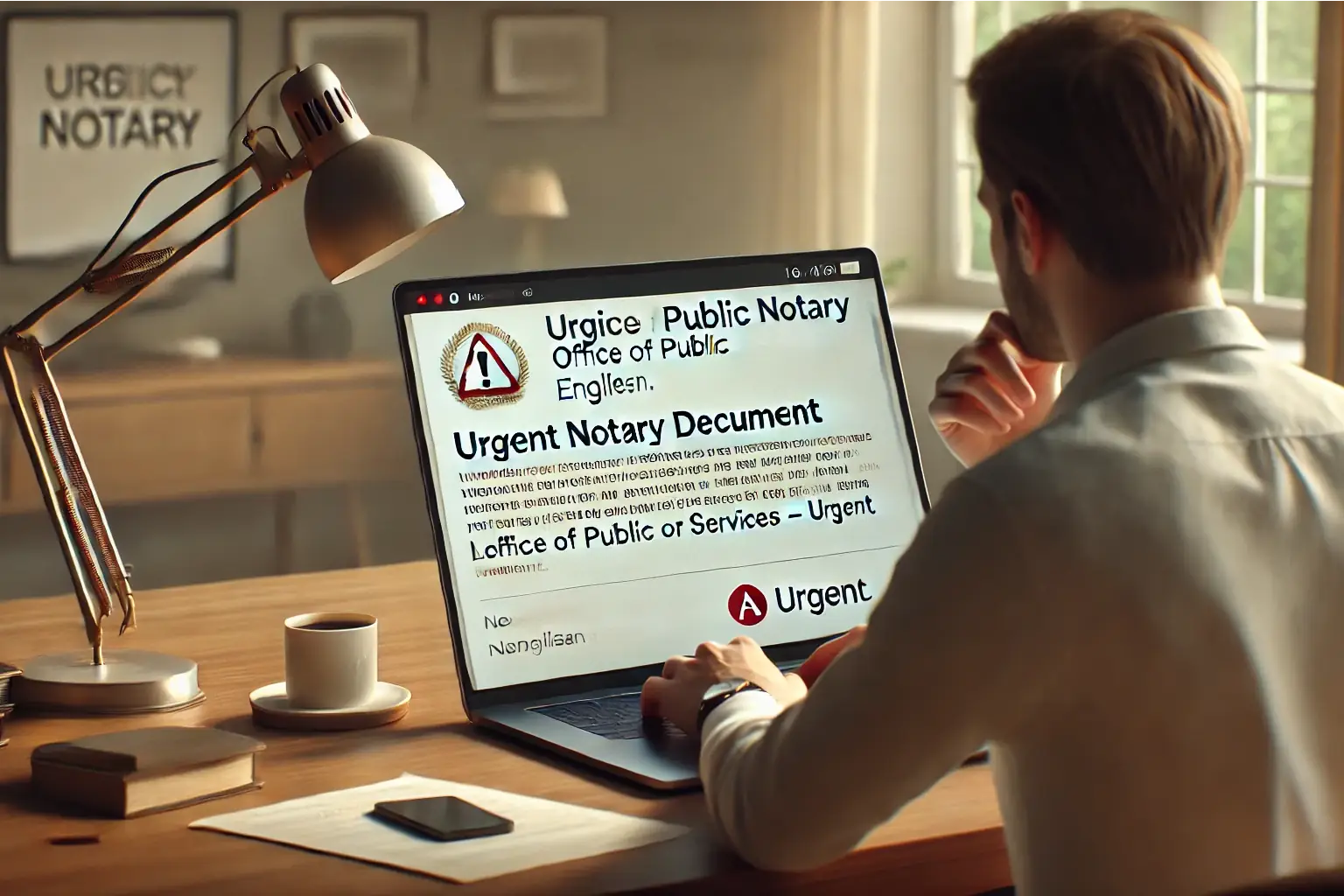
Fake notary email scam — “urgent” case files (inheritance, property sale, power of attorney)
Emails pretending to be from a notary mention an inheritance, a property deed, or an urgent document to sign. The aim is to make you click a link or open an attachment to steal your data. Here’s how to spot them and what to do.
Learn more...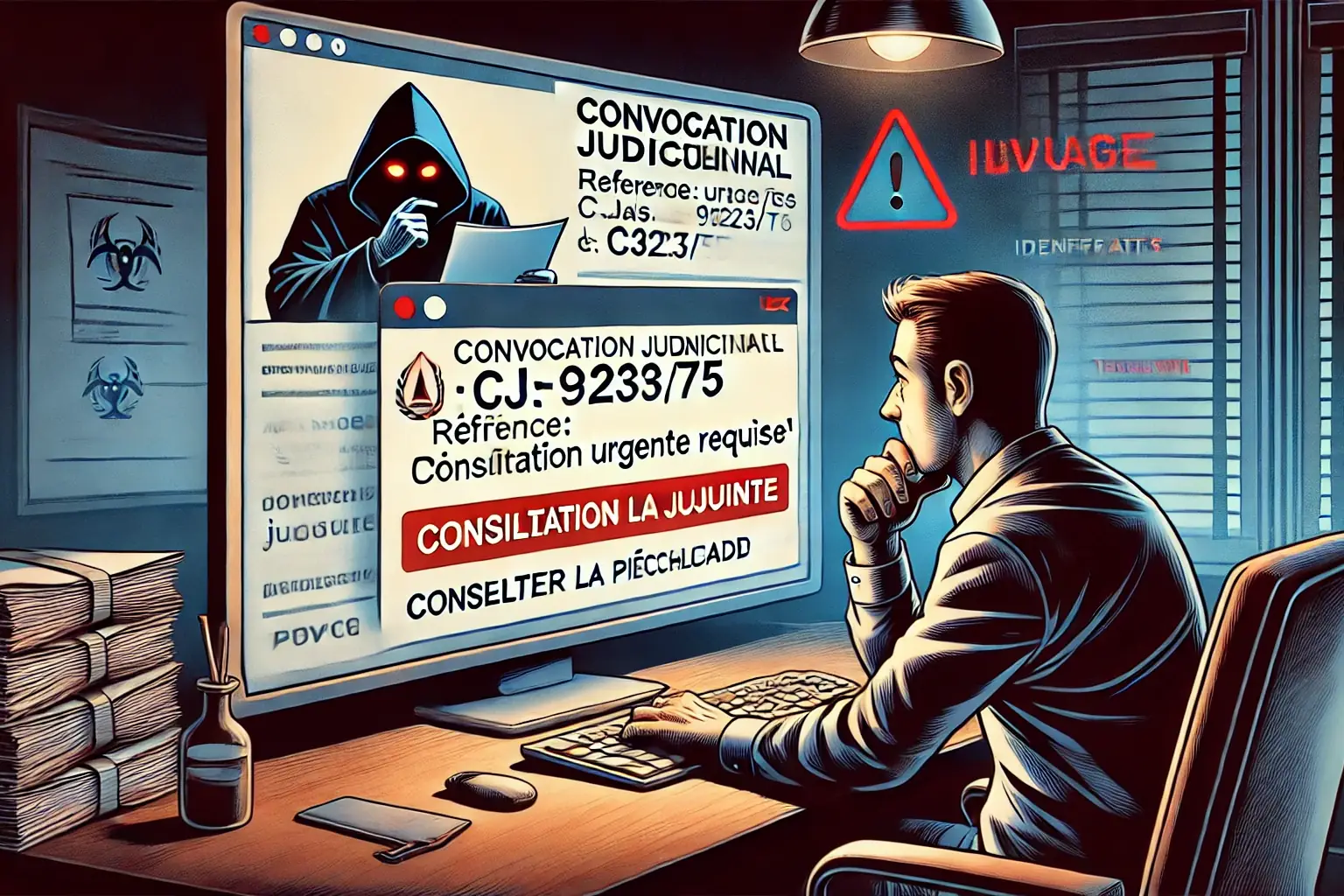
Fake court or bailiff summonses – the “justice” email trap with malicious attachments
Summons, complaint, imminent seizure: these alarming emails are often fraudulent and spread malware. Here are the right reflexes.
Learn more...
Fake Chrome, Edge and Firefox updates – how to avoid malware installation
Fake “urgent update” alerts target Chrome, Edge and Firefox via pop-ups and ads. Here are the warning signs and best practices.
Learn more...
“Greenwashing”: Fake Environmental Campaigns
Brands and influencers abuse “eco” buzzwords to sell low-quality goods or run fake environmental drives. Learn the red flags (phony labels, no legal info, no proof) and how to report to the ASA or FTC before you buy.
Learn more...
Fake Experts in Hacked Account Recovery
Scammers pose as “ethical hackers” who promise to restore your stolen account quickly. After you pay — often in crypto or via transfer — they vanish or ask for more money. Never pay such imposters; only use official recovery tools provided by the platform.
Learn more...