Blog post: Online security
Hello and welcome to Scam Or Reliable!

Blog post: Online security

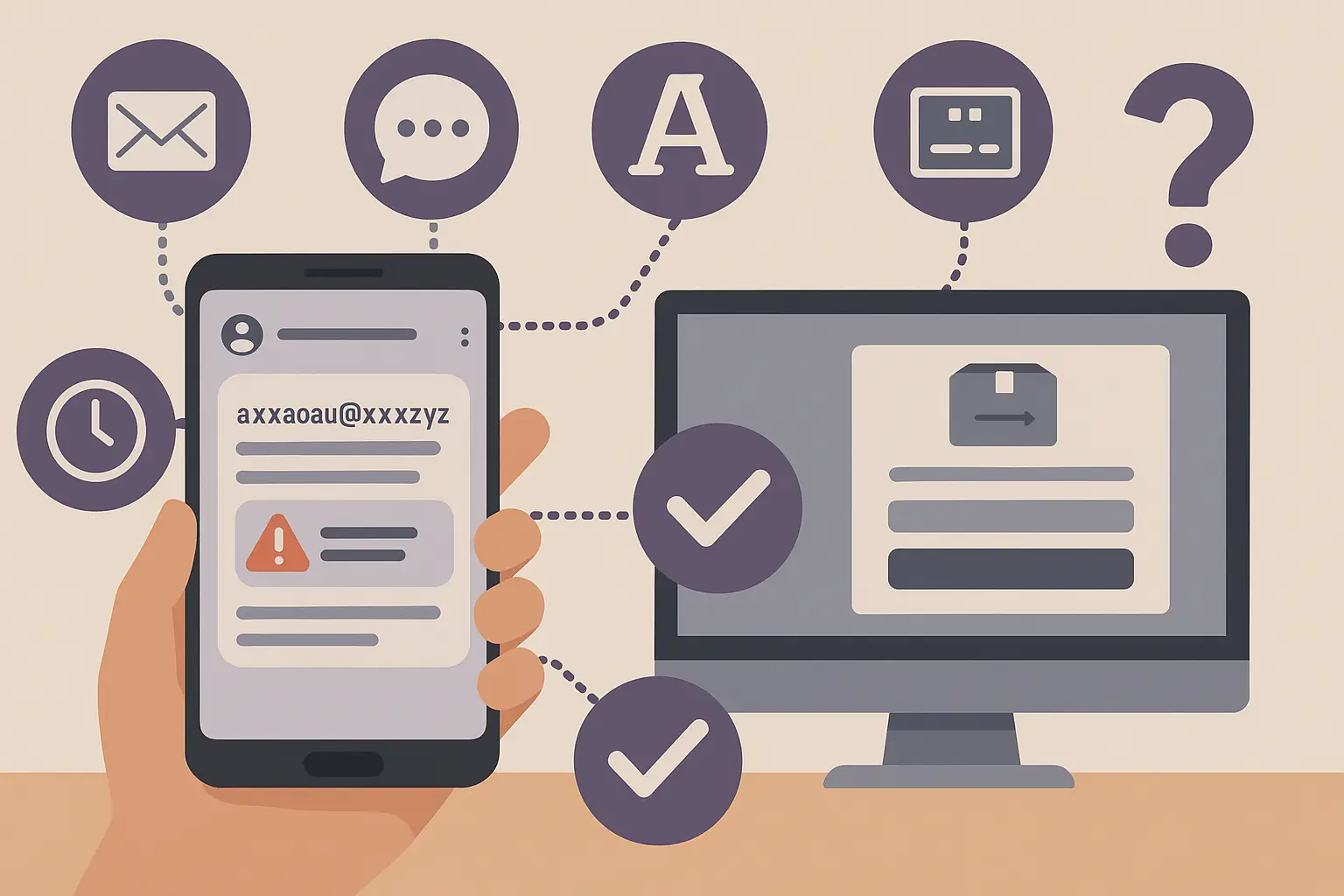
 Parcel scams have become one of the most widespread traps on the internet, especially before the holiday season when everyone is expecting multiple deliveries. Scammers take advantage of this situation by sending fake text messages or emails in the name of well-known couriers (such as Royal Mail, Evri, USPS, FedEx, DPD, DHL, UPS, etc.) to lure victims to fake payment sites. Without even realising it, many consumers hand over their bank details to fraudsters who perfectly mimic real delivery services. This article explains how these scams work, the warning signs to look out for, and the steps to take to protect yourself.
The scenario is simple and devastatingly effective: fraudsters know that many people are waiting for parcels, especially during busy periods like the holiday season. They send a very short, often innocuous-looking message asking you to click a link to “complete the delivery.” Once on the fraudulent website, the victim is asked to pay a small fee of a few pounds or dollars, or to “update” their information.
 Cybercriminals are constantly adapting their messages, but the logic remains the same: create a sense of urgency while appearing credible. The more mundane and routine the message seems, the more likely it is to be taken seriously. Fraudsters also use an administrative or technical tone to give the impression of a standard procedure.
The Christmas period and, more broadly, the end-of-year holidays are particularly fertile ground for parcel scams. The volume of online orders increases sharply, couriers are overwhelmed, and delays or tracking changes are common. Fraudsters know this and precisely imitate this context of logistical overload to make their messages even more credible.
Despite the care scammers take to copy couriers, several clues can help you identify a fraud attempt. Authorities and consumer protection agencies recommend analysing both the content of the message and the proposed link before clicking.
Many victims downplay the risk because the amount requested is very small, for example, £1.50 or $2.99. However, it is not this sum that interests the scammers, but rather your card details or the payment authorisation. Once they have your bank details, fraudsters can attempt larger payments or sell them on underground markets.
If you make a mistake, it is essential to act quickly. The priority is to block any further use of your bank details and to report the fraud to help authorities identify ongoing campaigns. Official services, such as the police, dedicated fraud reporting platforms, and consumer protection agencies, can be mobilised.
A few simple habits can help protect you from these scams on a daily basis. They are based on one key principle: never blindly trust an unsolicited message, even if it appears to come from a well-known service. If in doubt, it is always better to go through official channels rather than clicking on a received link.
Regulatory authorities, police services, and consumer protection agencies regularly issue communications about these scams. They publish alerts, provide reminders of best practices, and encourage victims to report fraud attempts. These reports help to better map scam campaigns and shut down fraudulent websites.
Parcel scams have established themselves as one of the main dangers of online shopping, especially when the number of deliveries explodes and everyone is monitoring their order tracking. By imitating messages from Royal Mail, DPD, DHL, UPS, or other couriers, scammers manage to convince many consumers to click on a link or pay a small fee. Behind these few pounds or dollars often lies a massive theft of bank details. By staying vigilant, systematically checking links, and using official channels to track your parcels, you can significantly reduce the risk. In case of doubt or confirmed fraud, contacting your bank quickly and reporting it to the relevant authorities remain essential steps.
To learn more, here are two comprehensive articles that will provide you with additional information to combat this type of scam.



Scam Or Reliable: The free and independent reference dedicated to anti-fraud information, the analysis of deceptive practices and the protection of consumers against online risks. Our team publishes articles, alerts and educational content to help internet users spot signs of scams, understand fraud mechanisms and adopt the right reflexes when faced with digital scams.
Its goal: to contribute to the prevention of scams, phishing, fake websites, impersonation and online commercial manipulation by providing clear, rigorous and useful content based on the analysis of verifiable signals, testimonies and reliable sources.
Warnings: The information presented on this blog is provided for informational and preventive purposes only. It does not constitute official recommendations or personalised legal, financial or technical advice. It must be verified with the relevant organisations, services or contacts depending on the situation. We are not responsible for errors, omissions or inappropriate use of the information provided on this site. If you notice any inaccuracy, please let us know.