Blog post: Online security
Hello and welcome to Scam Or Reliable!

Blog post: Online security

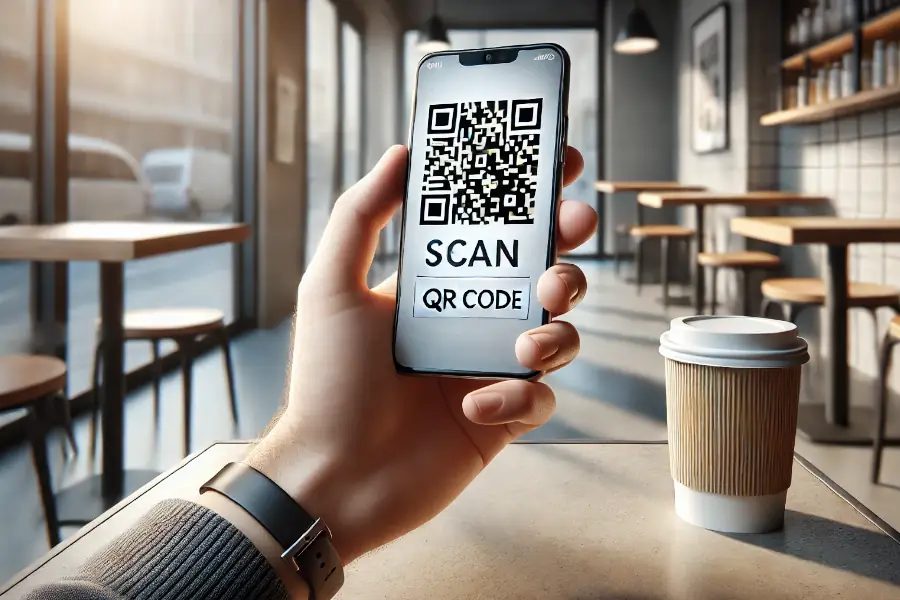
 The QR code has become an everyday tool, used to make payments, access menus, collect parcels or obtain information quickly. This apparent simplicity is now being exploited by cybercriminals through a new form of scam known as quishing.
Behind a simple scan, there may be a fraudulent website designed to steal personal or banking data. Discreet, fast and difficult to detect, quishing is emerging as a growing threat for both individuals and businesses.
The term quishing is a combination of “QR code” and “phishing”. It refers to scams that use QR codes to redirect victims to malicious websites. Unlike traditional phishing emails, a QR code bypasses certain warning reflexes, as it does not immediately reveal the destination URL.
The growth of quishing is closely linked to the widespread use of QR codes in both public and private spaces. Restaurants, car parks, public transport, deliveries and government services rely on them, creating a climate of trust. Fraudsters exploit this habit by replacing or distributing fake QR codes, often without raising suspicion.
A booby-trapped QR code functions technically like a legitimate one. Once scanned, it redirects the user to a web page, triggers a download or opens a form. The difference lies in the fraudulent intent of the final content.
In most cases, the victim is directed to a site imitating an official service. The design is polished, the logos appear credible and the message creates a sense of urgency. Within minutes, sensitive information can be collected, sometimes without the victim immediately realising it.
Quishing scenarios are varied and adapt to everyday situations. Fraudsters rely on familiar contexts to maximise their chances of success.
 Fraudulent stickers are sometimes placed on parking meters, charging stations, bus shelters or shop windows. The QR code promises quick payment or useful information, but redirects to a fake payment site or a form designed to collect banking details.
Some fraudulent messages include a QR code to scan in order to “confirm a delivery”, “update an account” or “pay a fine”. This method bypasses traditional anti-phishing filters and targets smartphone users, who are more likely to scan than to check a web address.
Banks, delivery services, payment platforms or parking operators are frequently imitated. The QR code leads to an interface almost identical to the original, requesting a login or immediate payment. Once the information is entered, it is exploited or resold.
Quishing can lead to significant financial and personal consequences. Stolen banking information is often used quickly to carry out fraudulent payments. In some cases, full access to an account is compromised, opening the door to further scams.
Beyond the financial aspect, the personal data collected may be used for identity theft or future targeted attacks. The inadvertent download of malicious software can also compromise smartphone security, with lasting effects.
The main issue with quishing is the opacity of the QR code. Unlike a visible link, it does not allow the destination to be assessed immediately. In addition, the context works in favour of fraudsters: a QR code on a parking meter or in a credible email rarely arouses suspicion.
Fraudulent pages are often optimised for mobile devices, with few visible elements enabling users to identify the deception. The absence of spelling mistakes, the use of the HTTPS protocol and a professional design reinforce the illusion of legitimacy.
Prevention above all relies on vigilance and a few simple habits. The aim is not to avoid QR codes entirely, but to use them with discernment.
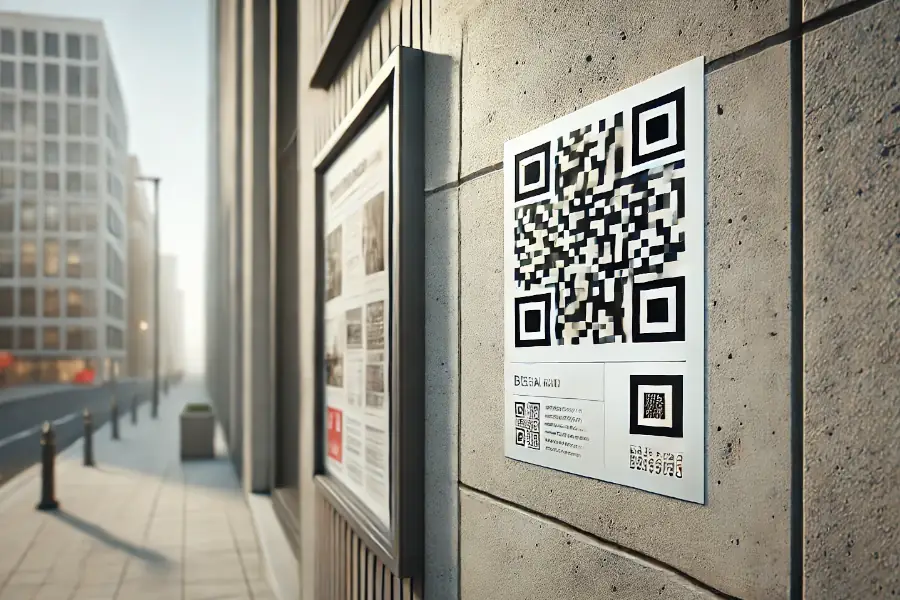 A QR code that is poorly stuck on, placed over another one or displayed in an unusual location should raise concern. If in doubt, it is safer to visit the official website of the relevant service directly rather than scanning.
Many applications allow you to preview the web address before opening it. An unusual, shortened URL or one with no clear connection to the expected service is a warning sign.
No legitimate organisation will request full banking details or confidential codes through a simple scan. If there is pressure or artificial urgency, caution is essential.
If information has been entered, it is important to act quickly. Contacting your bank to secure your payment methods is a priority. Changing the passwords of the affected accounts helps limit the risk of compromise.
It is also recommended to report the scam to the appropriate official platforms. In the United Kingdom, organisations such as National Cyber Security Centre (UK), Report Fraud (UK) or GOV.UK – Report phishing (UK) allow individuals to contribute to tackling these practices. In the United States, Federal Trade Commission – ReportFraud.ftc.gov (US) and FBI Internet Crime Complaint Center – IC3 (US) provide similar procedures.
Quishing illustrates how scammers constantly adapt to new digital habits. The more common a tool becomes, the more it attracts malicious misuse. Raising public awareness therefore remains essential to reduce the effectiveness of these scams.
Businesses and public authorities also have a role to play by securing their materials, regularly checking displayed QR codes and informing users about potential risks.
Booby-trapped QR codes are not a theoretical threat, but a reality already observed in many everyday situations. Understanding how quishing works makes it easier to identify risky scenarios and adopt appropriate behaviour. To go further, it is helpful to consult dedicated fraud prevention resources, such as practical guides on recognising scams, online security best practices or the steps to take in the event of fraud, available on ArnaqueOuFiable.com through specialised and regularly updated articles.



Scam Or Reliable: The free and independent reference dedicated to anti-fraud information, the analysis of deceptive practices and the protection of consumers against online risks. Our team publishes articles, alerts and educational content to help internet users spot signs of scams, understand fraud mechanisms and adopt the right reflexes when faced with digital scams.
Its goal: to contribute to the prevention of scams, phishing, fake websites, impersonation and online commercial manipulation by providing clear, rigorous and useful content based on the analysis of verifiable signals, testimonies and reliable sources.
Warnings: The information presented on this blog is provided for informational and preventive purposes only. It does not constitute official recommendations or personalised legal, financial or technical advice. It must be verified with the relevant organisations, services or contacts depending on the situation. We are not responsible for errors, omissions or inappropriate use of the information provided on this site. If you notice any inaccuracy, please let us know.