Blog post: Online security
Hello and welcome to Scam Or Reliable!

Blog post: Online security

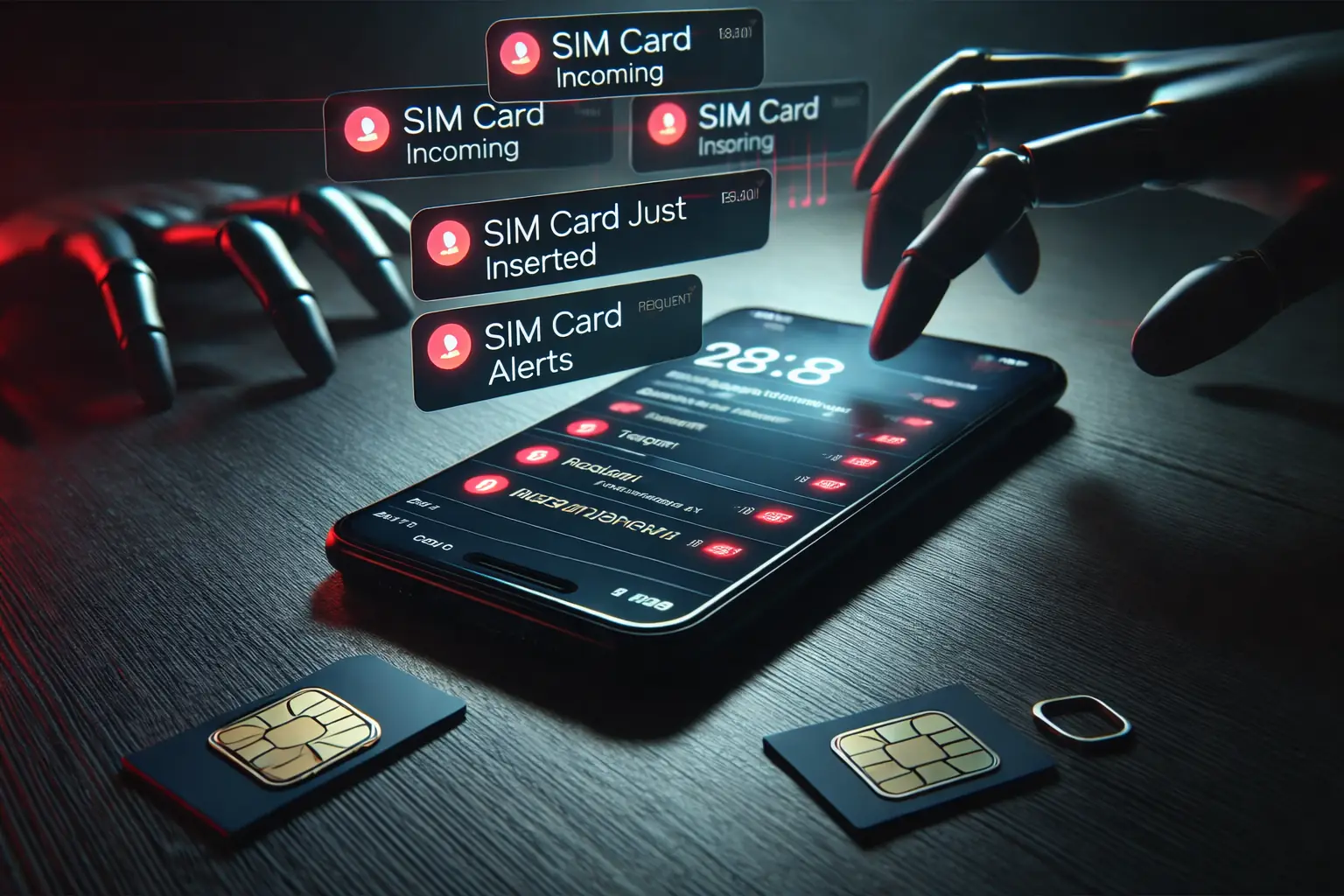 SIM card scams are steadily increasing, driven by the widespread use of smartphones and SMS-based authentication.
Behind these frauds, various techniques allow scammers to take control of a phone number or exploit mobile infrastructures on a large scale. Some attacks are highly technical, while others rely on psychological manipulation.
Understanding these methods is essential to reduce risks and respond effectively in case of an attempt or compromise.
SIM cards now play a central role in digital security, as they are often used as a second authentication factor. A simple phone number allows users to receive verification codes to access sensitive accounts. This dependency makes them a prime target for cybercriminals.
Many banking platforms, messaging services and online accounts still rely on SMS to verify user identity. By taking control of a mobile line, a fraudster can bypass these protections and access critical data.
This situation is particularly problematic because users are not always aware of the role their SIM card plays in the overall security of their digital accounts.
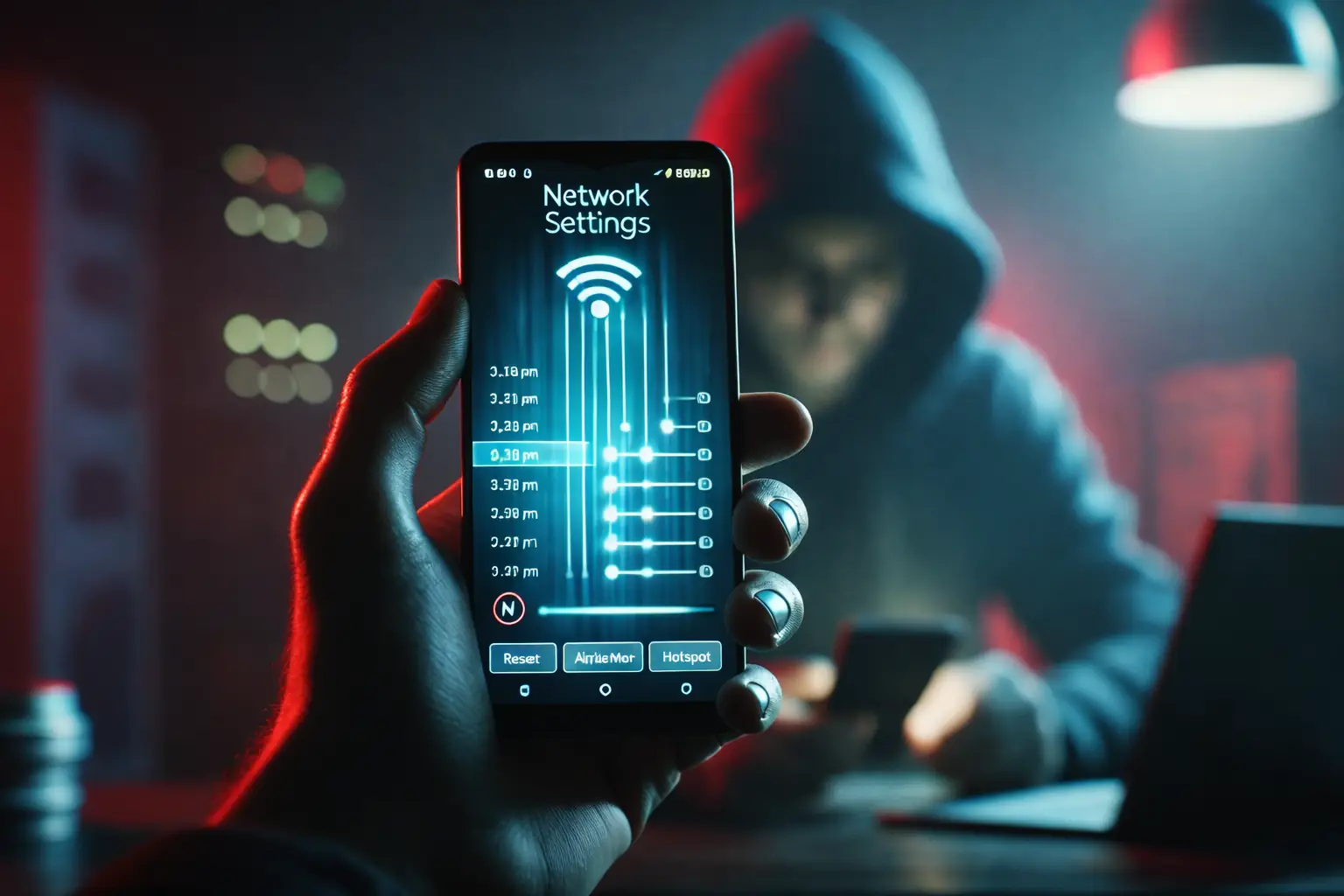 SIM swapping involves fraudulently transferring a phone number to a new SIM card controlled by a scammer. This operation may be carried out by deceiving a telecom operator or by using personal information obtained beforehand.
Once the number is hijacked, the victim loses access to their mobile network. At the same time, the fraudster receives calls and SMS messages, including security codes sent by online services.
This technique is often used to access bank accounts, cryptocurrency wallets or email accounts. It can result in significant financial losses in a very short time.
Smishing is a form of phishing that uses SMS messages to encourage victims to click on a fraudulent link. These messages often imitate official communications, particularly from telecom operators or government services.
Fraudsters rely on urgency, for example, by claiming that a SIM card has been blocked or that verification is required. By clicking on the link, the user is redirected to a fake website designed to collect personal information.
This technique remains widespread because it exploits a communication channel perceived as more trustworthy than email. It is often the first step in more complex attacks.
 SIM farms are installations made up of dozens or even hundreds of SIM cards used simultaneously. They enable mass messaging or help bypass operator detection systems.
SIM boxes, on the other hand, are used to reroute international calls to avoid the costs associated with traditional networks. These devices are often used in large-scale fraudulent operations.
These infrastructures play a key role in distributing smishing campaigns and other scams, allowing fraudsters to reach a large number of victims in a short time.
Number portability fraud involves obtaining a portability code (such as a transfer code) through fraudulent means. This code allows a phone number to be transferred to another operator.
Once obtained, a scammer can request the transfer of the number and take control of it. This technique is similar to SIM swapping but relies on legitimate administrative procedures.
It is particularly difficult to detect because it uses official processes that are diverted for malicious purposes.
“SIM mules” are individuals recruited to open mobile lines in the name of third parties. They may act knowingly or be misled by fake job offers.
These lines are then used to carry out fraudulent activities such as sending SMS messages or creating fake accounts. They allow scammers to hide their identity and make investigations more complex.
This phenomenon highlights the importance of the human factor in certain SIM-related scams.
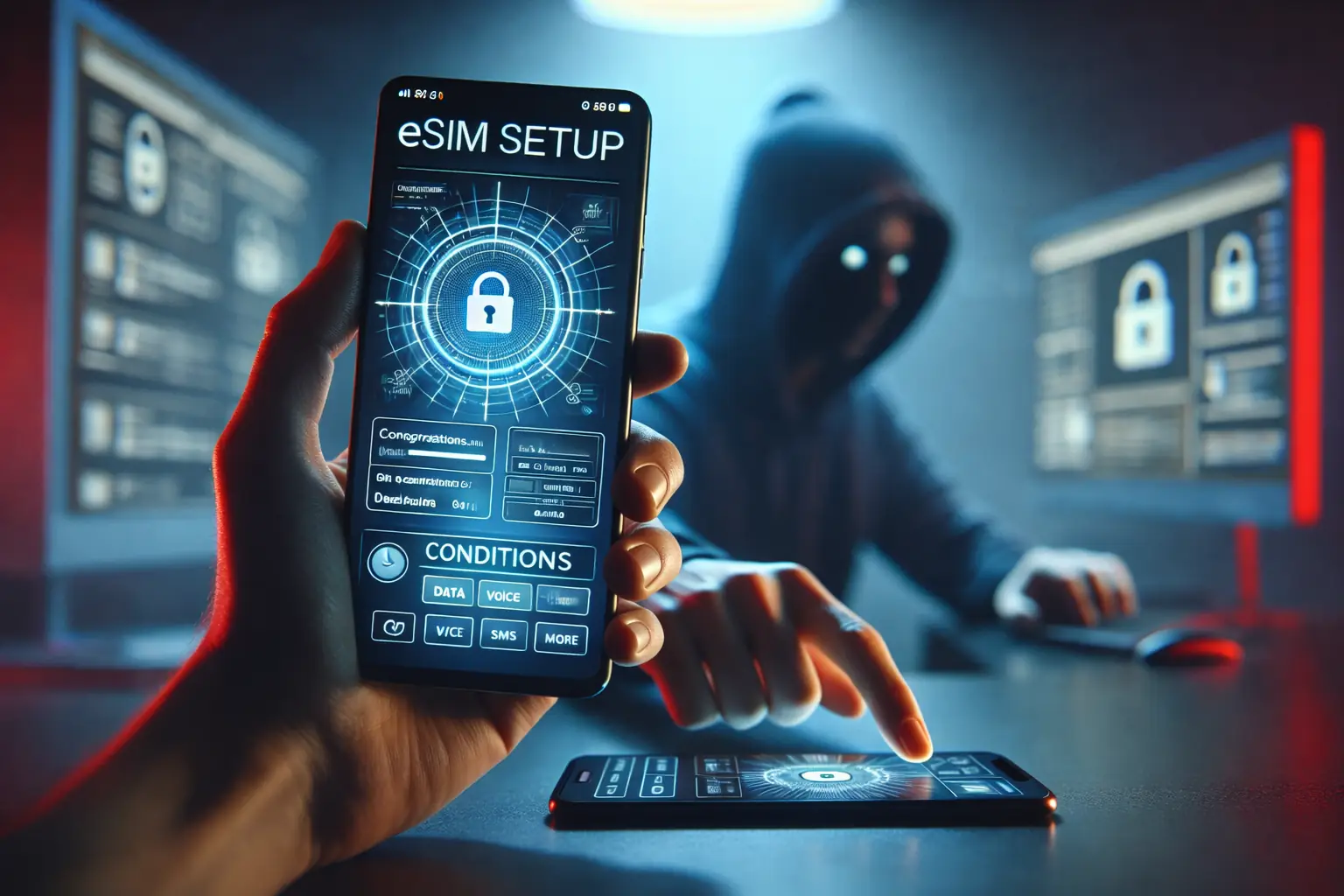
Beyond the most well-known methods, other techniques are gaining importance. SIM card cloning, although less common today, is still possible on certain older devices.
eSIM fraud is also a notable development. It allows a number to be transferred without a physical card, making attacks faster and more discreet.
Finally, some frauds rely on internal weaknesses or insufficiently secure procedures within telecom operators, particularly when activating new lines.
Several measures can reduce the risks associated with SIM card scams:
If in doubt, it is recommended to report incidents to official platforms such as National Cyber Security Centre (UK) or the Cybersecurity and Infrastructure Security Agency (US).
SIM card scams are evolving rapidly and adapting to new technologies. Their diversity makes them harder to detect, but some constants remain, particularly the exploitation of both human and technical vulnerabilities.
A better understanding of these mechanisms helps strengthen vigilance and adopt safer behaviours. To go further, you can consult our complete guide on best practices to avoid online scams or explore specialized resources to identify digital fraud.




Scam Or Reliable: The free and independent reference dedicated to anti-fraud information, the analysis of deceptive practices and the protection of consumers against online risks. Our team publishes articles, alerts and educational content to help internet users spot signs of scams, understand fraud mechanisms and adopt the right reflexes when faced with digital scams.
Its goal: to contribute to the prevention of scams, phishing, fake websites, impersonation and online commercial manipulation by providing clear, rigorous and useful content based on the analysis of verifiable signals, testimonies and reliable sources.
Warnings: The information presented on this blog is provided for informational and preventive purposes only. It does not constitute official recommendations or personalised legal, financial or technical advice. It must be verified with the relevant organisations, services or contacts depending on the situation. We are not responsible for errors, omissions or inappropriate use of the information provided on this site. If you notice any inaccuracy, please let us know.