Blog post: Online security
Hello and welcome to Scam Or Reliable!

Blog post: Online security

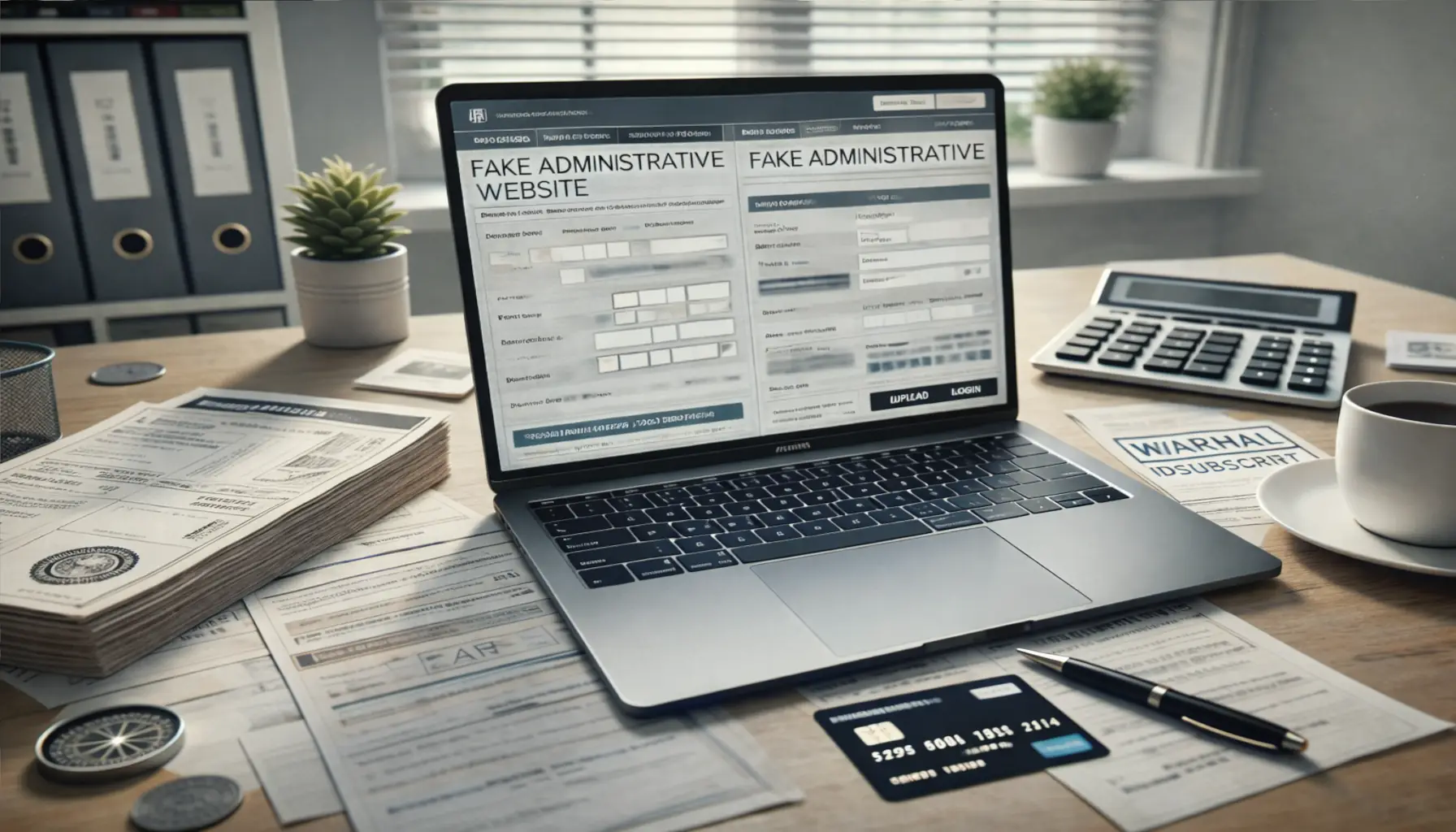 Vehicle registration, driving license, Clean Air sticker, change of address or official document requests: these procedures have long attracted websites that imitate government services or present themselves as official assistance.
Their method is often the same: appear very high in search results, use a reassuring design and charge for a vague service, sometimes for a procedure that is free or can be completed directly on an official government portal. The trap works even better because some procedures are genuinely paid, which blurs the consumer’s perception. The risk is therefore not only paying too much, but also sharing personal and banking data with an entity whose real role remains unclear.
Fake government websites do not always look like obvious scams. Many borrow the visual codes of official services: neutral colors, institutional language, promises of fast assistance and wording that suggests a link with public authorities without clearly stating it. At first glance, a user in a hurry may believe they are in the right place, especially when dealing with urgent matters after losing documents, buying a vehicle or needing to travel quickly.
The confusion is reinforced by the fact that some procedures do indeed involve official fees. A vehicle registration is not free, and Clean Air stickers also have an official cost. Intermediaries exploit this reality: they add “processing” fees, make the nature of the service unclear or imply that their site is the normal route to obtain the document. Consumers sometimes realize too late that they have not paid the administration, but a private provider.
The most problematic websites focus on frequent, urgent or stressful formalities. Vehicle registration, driving licenses, replacement documents, Clean Air stickers or certain administrative certificates are particularly exposed, because users often want to act quickly and may not know the correct official portal. A simple search can therefore lead them to an ambiguous intermediary.
For driving licenses or many official procedures, users should normally go through official government services such as GOV.UK (UK) or USA.gov (US). These portals provide access to the legitimate services for completing administrative procedures. This clarification is important, as these topics are common grounds for overcharging, with prices far exceeding official fees and websites imitating administrative language to gain trust.
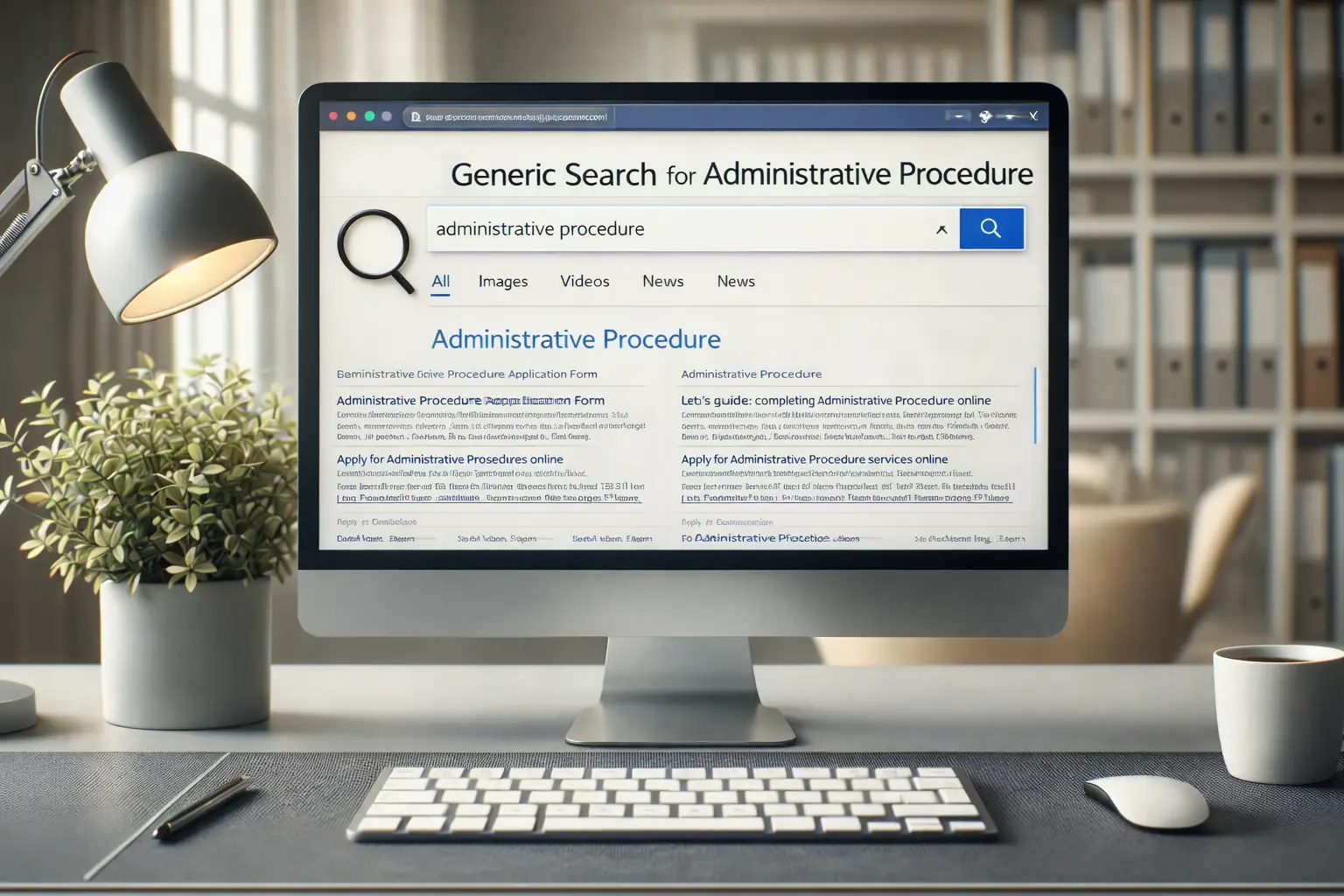 The first lever is search ranking. A private website may appear before the correct link, especially through advertising, a convincing domain name or pages optimized for queries such as “vehicle registration online”, “replace lost driving license” or “official Clean Air sticker”. Users click on what seems to be the most credible result, without always checking who operates the site or where the payment is actually going.
The second lever is ambiguity. Wording such as “assistance service”, “processing platform” or “administration center” may be legally insufficient if they are buried in terms and conditions while the homepage maintains confusion. Authorities have highlighted that some websites deliberately create confusion with official services by manipulating design, wording and the visibility of pricing or company information.
No single indicator is always enough on its own. However, a combination of several warning signs should immediately raise caution. The more a website pushes you to pay quickly without clearly identifying itself, the higher the risk of error or deception.
Another useful reflex is to check the website address and return to a known public source. Starting from GOV.UK (UK) or USA.gov (US) is a simple way to find the correct official service. This habit significantly reduces the risk of being misled by a well-ranked intermediary.
The trap of fake government websites also works because it does not always rely on a complete lie. Some procedures do have official costs, but not necessarily the amount displayed by private websites. This gray area maintains confusion: users see a price, know that the document is not always free, and assume the payment is legitimate.
Official portals clearly state the applicable fees for administrative services. When a private website charges significantly more for the same request, the difference usually corresponds to an intermediary service rather than a government-imposed cost. Some official pages also specify that completing a procedure directly through a government portal does not involve additional service fees, even if certain documents may include taxes or delivery costs.
This distinction is essential. It helps identify when a consumer is not paying a public service, but an additional commercial layer that may not be transparent. When this added service is not clearly explained, caution is necessary.
You do not need to be a digital expert to reduce risks. A few simple checks are often enough to avoid the most questionable platforms. The goal is not to conduct a full investigation, but to ensure you are paying the right entity for the right reason.
When in doubt, it is better to close the page and restart from a trusted official source. A few minutes of verification can prevent a misdirected payment, especially when sensitive documents are involved.
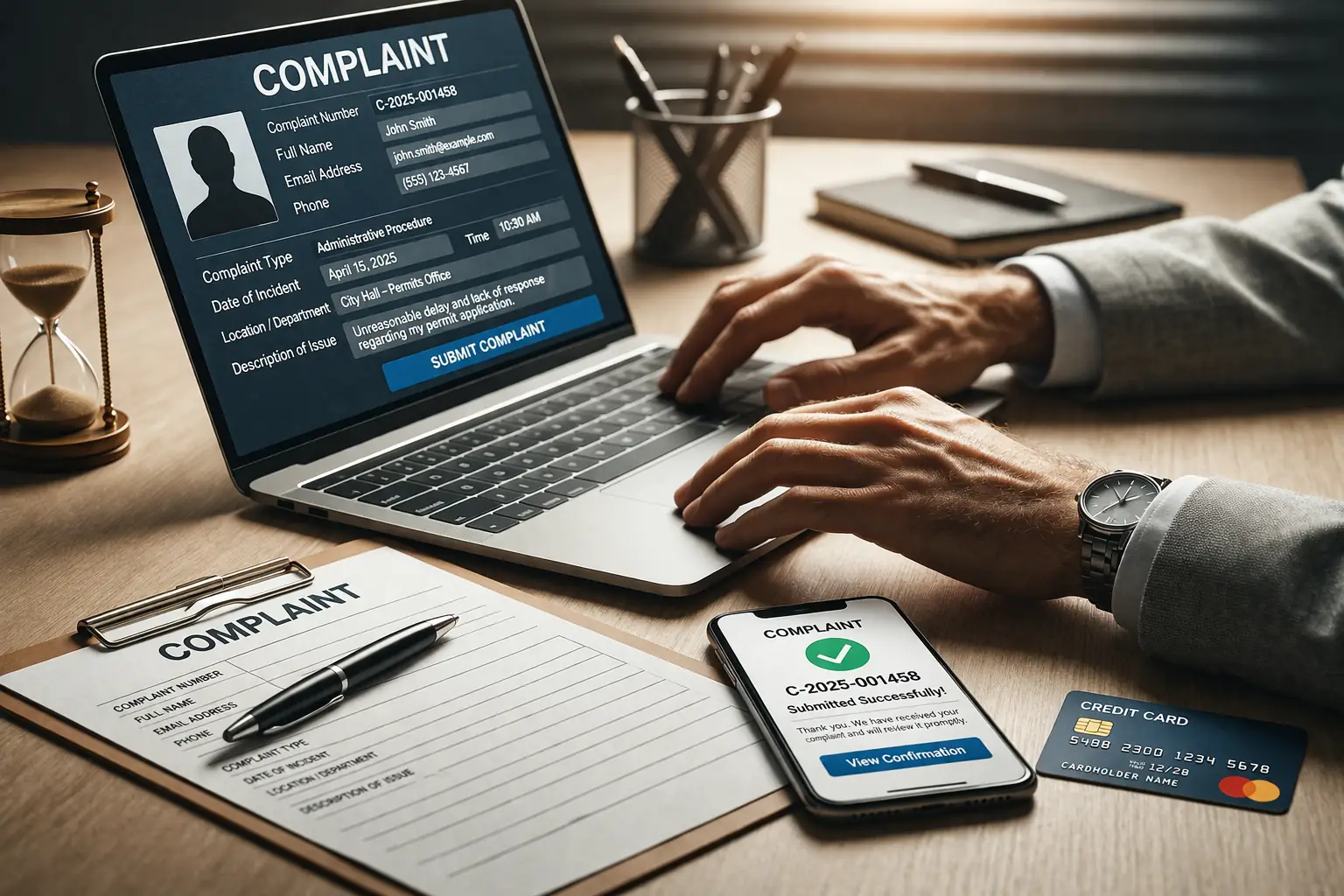 The first step is to keep all evidence: screenshots, pricing conditions, emails received, invoice, proof of payment and documents sent. Without these elements, it becomes harder to dispute the transaction or demonstrate how the service was presented. You should also quickly check whether the request was actually transmitted to the administration or whether you simply paid an intermediary without result.
Next, contact the website to request written explanations and, if appropriate, a refund. If the presentation of the service was misleading, if fees were not clearly disclosed or if the service was not delivered as promised, reporting may be appropriate. In the United Kingdom, consumers can seek help from Citizens Advice (UK) or report fraud to Action Fraud (UK). In the United States, reports can be submitted via the Federal Trade Commission (US). Cybersecurity advice is also available from the National Cyber Security Centre (UK) and the Cybersecurity and Infrastructure Security Agency (US).
If banking data has been shared, you should contact your bank immediately and take protective measures if necessary. In serious cases, filing a police report may be appropriate.
Not all private assistance services are necessarily fraudulent. Some clearly state their status, explain their fees and do not try to impersonate public authorities. The problem arises when this distinction becomes deliberately unclear or almost invisible to the average user.
In this context, consumers should not have to guess. A reliable website must clearly state who it is, what it charges for, what belongs to the administration and what belongs to its own service. When a payment process begins before these points are understood, caution is justified. In administrative procedures, transparency is often as important as price.
Fake government websites thrive on a mix of urgency, lack of awareness and visual confusion. They do not always promise the impossible; they mainly imitate what users expect, positioning themselves where people assume they will find official services. For vehicle registration, driving licenses, Clean Air stickers and other procedures, the safest approach is to start with an identified public portal, verify the real recipient of the payment and never confuse official fees with intermediary charges.
To learn more, you can also read our essential tips to avoid online traps, our practical guide to responding to online scams and our selection of resources to check and report suspicious websites.




Scam Or Reliable: The free and independent reference dedicated to anti-fraud information, the analysis of deceptive practices and the protection of consumers against online risks. Our team publishes articles, alerts and educational content to help internet users spot signs of scams, understand fraud mechanisms and adopt the right reflexes when faced with digital scams.
Its goal: to contribute to the prevention of scams, phishing, fake websites, impersonation and online commercial manipulation by providing clear, rigorous and useful content based on the analysis of verifiable signals, testimonies and reliable sources.
Warnings: The information presented on this blog is provided for informational and preventive purposes only. It does not constitute official recommendations or personalised legal, financial or technical advice. It must be verified with the relevant organisations, services or contacts depending on the situation. We are not responsible for errors, omissions or inappropriate use of the information provided on this site. If you notice any inaccuracy, please let us know.