Scam Alert
Hello and welcome to Scam Or Reliable.

Scam Alert
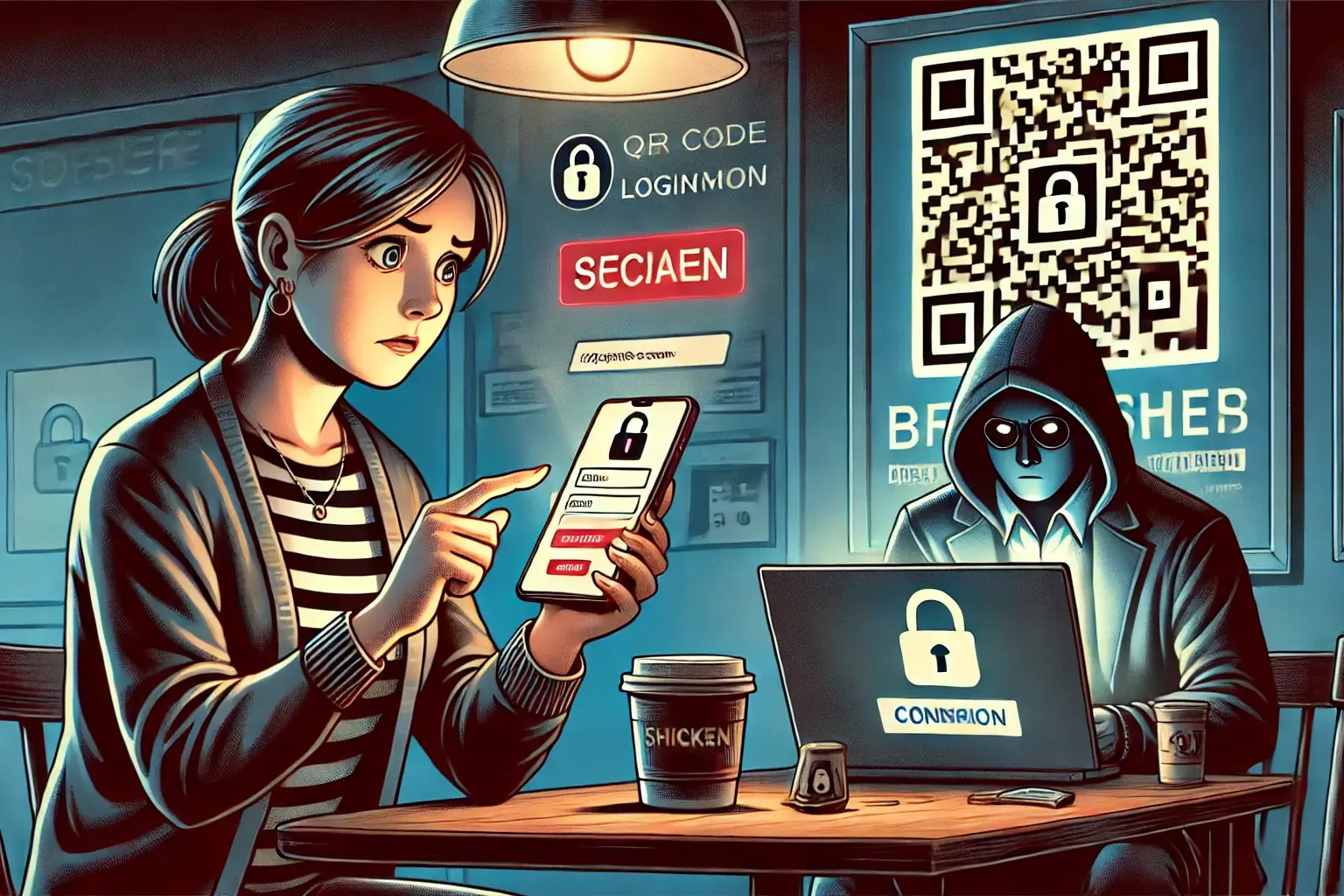 Scammers are becoming more inventive by trapping consumers with fake QR codes. Called “quishing”, this technique consists of hijacking QR codes to redirect to malicious sites or steal your credentials.
Quishing combines the QR code and phishing. Cybercriminals stick fake codes on posters, menus, payment terminals or emails. When scanning, the victim is redirected to a page imitating an official site to extract data or install malware.
Fraudulent QR codes are placed in public places or integrated into deceptive messages (“account update”, “payment pending”). Some reproduce the logos of well-known companies to inspire confidence.
Signs: QR code on a poorly attached sticker, strange URL after scan, absence of an HTTPS certificate.
QR codes are not always harmless: be cautious before each scan! If in doubt, close the page and report the attempt on actionfraud.police.uk.
To go further:
Key points to follow to avoid most online scams!



Scam Or Reliable: The independent and free reference for evaluating the reliability, effectiveness, and safety of online products. Our team of experts helps you form an objective opinion through rigorous analysis and authentic testimonials.
Its goal: Contribute to protecting consumers from online scams and misinformation by providing rigorous analyses and objective evaluations of products and services based on real, reliable testimonials from consumers.
Transparency statement: In order to keep this website free and running smoothly, this page may contain affiliate links to generate money. This in no way affects the price and therefore has no impact on the final cost of the product.
Warnings: Our articles express personal opinions and are not official recommendations. The products described are not a substitute for specialist advice. The information provided is indicative and must be confirmed with the manufacturer, the service provider or a qualified person. For specific advice, please consult a qualified professional. We accept no liability for errors or misuse. If you find any inaccuracies, please contact us.
Consumer Reviews and Testimonials